
Your first hot yoga class should challenge your focus, not your planning. In Edmonton, the right fit depends on heat, instruction, schedule, and everything you want beyond the studio.
Planning your first hot yoga Edmonton class? Join the West Edmonton waitlist to follow Altea’s upcoming fitness and wellness club.
hot yoga Edmonton options combine guided movement and focused breathing in a heated room. For a first class, compare heat level, instructor support, beginner fit, schedule, amenities, and whether you want yoga alone or a wider training and recovery plan.
That leaves a useful question: does the right practice mean a heated class, or one that fits your whole routine, recovery needs, and schedule? Next comes Why hot yoga Edmonton searches are about more than sweat, connecting class choice to a larger wellness plan. Here’s how.
Why hot yoga Edmonton searches are about more than sweat
A search for hot yoga Edmonton rarely starts and ends with heat. Many people want a class that fits real life, from comfort and pace to location and routine. Others are new to yoga and need a clear picture before booking their first class.
The intent behind the search
For a beginner, the search is often practical. Is the room manageable? Will the instructor offer clear direction? Can someone begin without already being flexible or familiar with each pose? These are questions about confidence and fit, not just workout intensity.
Local intent matters too. Edmonton residents may want a wellness space that connects movement with recovery and community. Altea’s Altea West Edmonton club gives readers a place to track that local option.
This guide is simple by design. It explains the heated setting and the first-class experience. It also covers the details worth checking before you choose a class. You can then decide whether hot yoga fits your schedule, comfort, and goals.
People search hot yoga Edmonton to understand more than room temperature. They want beginner guidance, realistic class expectations, safe preparation, and a setting that fits their weekly schedule, comfort level, and broader wellness goals without juggling too many separate stops.
What hot yoga means in practice
Hot yoga is yoga taught in a heated room. Temperature and humidity shape how each class feels. One studied format, Bikram yoga, uses a set sequence in a room heated to 40.6 C with 40 percent humidity. A published research review describes this setting.
Altea’s hot yoga environment is listed at 104-105 F (40 C), with 40-45 percent humidity. These figures help set expectations: the class is meant to feel warm and demanding. Heat is part of the setting. Instruction, pace, and your choices shape the practice.
Hot yoga is not one single class style. Altea lists options such as Ashtanga and Yin within its heated yoga offering. A stronger flow may suit someone seeking steady movement. A slower format may suit someone who prefers longer holds.
A clear starting point for beginners
New students do not need to treat heat as a test. A first visit is a chance to learn how the room feels. You can follow cues and rest when needed. Reading what to expect in a hot yoga class can make a first decision less uncertain.
- Look for clear class descriptions, including style, room conditions, and pace.
- Choose an approachable entry point, rather than chasing the hardest session.
- Plan for water, suitable clothing, and enough time to arrive settled.
In other words, hot yoga Edmonton is a search for informed choice. Heat may spark interest. A welcoming setting and suitable class format are what can help a beginner return.
What are the benefits of hot yoga?
Hot yoga pairs familiar poses with a heated room and steady breath work. For many people, the appeal is simple: warmth can make movement feel more inviting. It may also help them settle into a focused routine. Benefits can vary with class style, effort, health, and how often someone practices.
Potential hot yoga benefits include easier warm-up, focused breathing, balance practice, mobility work, and a consistent recovery-minded routine. Results vary by class style, health, effort, hydration, and how often someone practices, so beginners should focus on safe consistency.
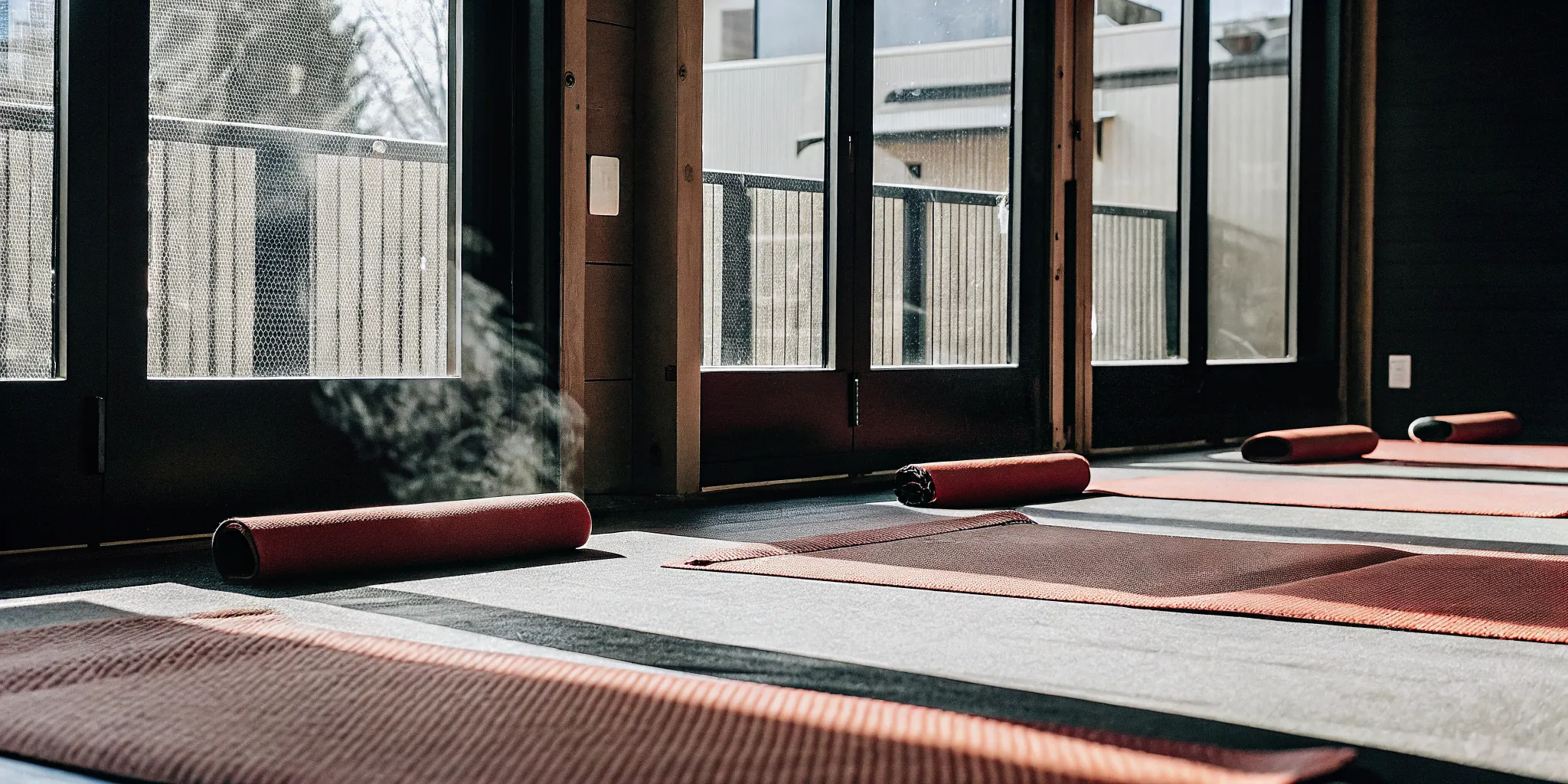
Movement in a heated room
A warm class may make stiff muscles feel easier to move at the start. That feeling can support gentle work on reach, balance, and control. It does not mean a person should push past pain. Progress still comes from sound form, patient practice, and rest between sessions.
Research on heated Bikram yoga offers useful context. It does not prove every hot yoga class has the same result. A review reported gains in strength, range of motion, and balance among healthy adults in published studies. The review also notes that more strong trials are needed. Readers can see the review of heated yoga research for that measured view.
Focus, calm, and routine
The heat changes the pace of a session. Students often need to pay close attention to breath, posture, and effort. That can turn class time into a break from busy schedules. Some research has found possible gains in mindfulness and perceived stress in certain groups. Those findings are not a promise for each person.
Consistency matters more than chasing an intense class. A steady schedule gives students time to learn poses and notice how their body responds. For people exploring hot yoga Edmonton options, a club can make it easier to pair classes with other movement. Learn about Altea West Edmonton waitlist when planning a weekly routine.
Recovery-minded practice
Hot yoga may fit well after days spent sitting or during a varied workout week. Slow poses and mindful breathing can feel soothing for muscle tension. The heated room may create a sense of warmth during movement. Still, sweat is not proof of a health benefit. A class is not treatment for an injury.
A sensible recovery routine leaves room for hydration, easier days, and changes in effort. If heat feels too strong, rest or choose a less demanding option. Students with health concerns should ask a qualified health professional before beginning heated exercise. The best benefit is a routine that feels safe, repeatable, and useful in daily life.
What should beginners expect in their first hot yoga class?
Beginners should expect a warm room, clear instruction, steady movement, sweat, and permission to rest. Arrive early, tell the instructor it is your first heated class, set up calmly, and pause or step out if heat feels overwhelming.
The room and the first few minutes
Your first hot yoga class may feel different as soon as you enter the studio. The air is warm, the room may feel humid, and sweat can begin before the flow builds. Give yourself time to settle in slowly. You do not need to match anyone else’s depth, speed, or balance.
Heat levels depend on the class style and studio. A studied form of hot yoga uses 40.6°C heat and 40% humidity. These details come from a research review of Bikram yoga. Read the class details before booking, so the setting is not a surprise.
A simple first-class plan
If you are exploring hot yoga Edmonton options, choose a first session you can pace with care. Expect instruction, movement, sweat, and quiet pauses. This short plan helps you learn, instead of trying to finish every pose.
- Arrive a few minutes early. Check in and find your space. Let your body get used to the warm room before class starts.
- Bring a filled water bottle, a yoga mat, and a towel for your mat. Choose light clothing that feels comfortable when damp.
- Tell the instructor that this is your first hot class. They can show rest options and help you choose a suitable spot.
- Start at a steady pace. Follow the cue you understand. Skip a shape if it feels too intense or unclear.
- Rest when you need to. Sit, kneel, or lie down if you feel overheated, dizzy, or unwell. Leave the room for help if needed.
- Cool down after class. Sip water and take time before standing quickly. Notice your response before planning another session.
Progress without pressure
Beginners do not have to be flexible or know the poses. Your first class lets you learn the room, the cues, and your comfort level. A break is not falling behind; it is a sound way to practise in heat.
You may also want a studio that fits your routine and offers more ways to move. Learn about Altea Toronto club experience as you plan where a new yoga habit could fit into your week.
Hot yoga studio versus full-service fitness club
A standalone studio can work well for yoga-first routines. A full-service fitness club may suit people who want hot yoga, strength training, cardio, recovery amenities, and community spaces under one membership, especially when convenience affects consistency.
A focused class or a wider routine?
A standalone studio can be a good fit when hot yoga is your main activity. The setting is simple: arrive, take class, shower, and leave. That focus may appeal to people comparing hot yoga Edmonton options.
A full-service fitness and wellness club takes a wider approach. Hot yoga can sit beside strength training, cardio, other group classes, and time to recover. This setup may suit people who want more choice in one place.
Heat is only part of the choice. One published review of heated yoga studies reports gains in strength, range of motion, and balance in healthy adults. It also calls for more high-quality research.
What each model puts within reach
A boutique studio may feel intimate because most visits centre on yoga. A club can still offer a studio-style class setting, with added choice before and after class. When a heated session is not right that day, another workout may suit your plan.
| What to compare. | Standalone hot yoga studio. | Full-service fitness and wellness club. |
|---|---|---|
| Primary focus. | Heated yoga and related classes. | Hot yoga in a wider fitness plan. |
| Workout variety. | Yoga-based schedule. | Classes, cardio, and strength options. |
| Convenience. | Another stop for other training. | Several activities in one visit. |
| Recovery time. | Depends on studio amenities. | Access may include wellness amenities. |
| Membership fit. | Yoga-first routine. | Mixed weekly routine. |
For new students, a studio’s clear focus can make the first booking simple. For people with mixed goals, a club removes some back-and-forth between yoga, lifting, cardio, and recovery.
You can read about what to expect in a hot yoga class before choosing a setting. It can help you compare class details with the rest of your routine.
The value of fewer stops
Convenience matters when exercise must fit around work, family, and travel across Edmonton. One membership may replace separate bookings for yoga and general training. It may also place recovery amenities within the same visit.
A sauna, steam room, salt lounge, or cold plunge can be useful after a workout. Access depends on the club and membership selected, so review details before joining.
Want hot yoga as part of a wider Edmonton fitness routine? Join the West Edmonton waitlist for Altea updates.
This is not about whether a boutique studio is better or worse. It is about class focus, weekly goals, and travel time. Readers planning ahead can review Altea Ottawa fitness and wellness club while comparing local options.
How to choose the right hot yoga class in Edmonton
Finding the right hot yoga Edmonton class starts with a class you can attend often. The hottest room is not always the right first step. Look for a clear class description, fair booking rules, and support that fits your training plan.
Choose a hot yoga class by checking beginner fit, temperature, humidity, instructor support, schedule, location, booking rules, showers, towel access, and whether the membership also supports your strength, cardio, and recovery goals beyond the heated room.
Beginner fit and heat level
If you are new to heated practice, ask whether the class welcomes beginners. Find out how instructors offer easier options. A slower flow or warm session may help you learn poses, breathing, and pacing. Aim for a steady first visit, not pushing through discomfort.
Heat levels can vary by class, so check temperature and humidity before you book. A research review of Bikram yoga describes practice at 40.6 C and 40 percent humidity. It also reports gains in balance and range of motion in healthy adults.
Ask how the room is heated and whether cooler formats are available. Think about how heat affects your focus, energy, and comfort. If one class feels too intense, a different pace or temperature may be a better fit.
Coaching, comfort, and policies
A useful class listing should state its pace, style, and required gear. Before you commit, ask how teachers cue options and what to do if you need a pause. Clear guidance matters more than complex poses while learning in heat.
- Schedule: Choose start times that work with commuting, family plans, and recovery days.
- Location: Factor in travel time, parking, transit access, and winter weather.
- Amenities: Check for change rooms, showers, towel service, mat rentals, and water refills.
- Booking rules: Review cancellation windows, missed-class fees, waitlists, and late-entry policies.
Small details shape consistency. A class that fits your routine is easier to keep than one you often miss. If you carry less gear after work, rental options and shower access may shape your choice.
Class variety matters, too. A studio with flow, slower practice, and less heated options gives you room to adjust. This helps when your week includes hard training, long workdays, or a need for lighter movement.
A fit for broader fitness goals
A hot yoga class may suit a plan focused on mobility, balance, or recovery days. Your best fit depends on your other training and comfort in heat. Decide whether you want yoga alone or options that work with it.
When weighing a studio or fitness club, compare more than the hot room. Review the schedule, yoga formats, recovery amenities, and training options you would use. Explore Altea blog, then compare its offer with your weekly needs.
Choose a first class with a manageable time and clear heat details. Then note how you felt in class, after class, and the next day. Your response will help you choose a class you can return to with confidence.
How to prepare for hot yoga safely
Prepare for hot yoga by hydrating earlier in the day, wearing breathable clothing, bringing water and towels, arriving early, pacing yourself, and stopping if you feel dizzy, faint, sick, confused, or unwell during class.
Before class
For a first class, plan for the heat before you step into the studio. A heated practice may feel unlike an unheated flow, even when the poses look familiar. One research review describes standardized Bikram yoga as practiced at 40.6 C with 40 percent humidity. The review of Bikram yoga studies helps show why beginners should pace themselves in a heated room.
Drink water through the day, rather than trying to catch up just before class. Eat in a way that suits your body and leaves time to move with ease. A light, familiar snack before class may suit some people. Others prefer a meal earlier in the day.
- Wear light, breathable clothing that stays in place as you move and sweat.
- Bring a filled water bottle, your mat, and a towel that can cover the mat.
- Pack a second towel and dry clothing if you plan to shower or change after class.
If you need gear, ask about mat or towel options when you book. Arrive with time to check in, set out your towel, and settle into the room. Beginners planning for hot yoga Edmonton classes can also review West Edmonton club details when considering local fitness options.
During class
Tell the instructor that this is your first heated class before practice begins. Choose a mat spot where you feel at ease, and start with a steady pace. Heat is not a cue to stretch deeper or hold a shape longer than feels sound.
Take small drinks as needed and pause when your body calls for rest. If you feel dizzy, faint, sick, confused, or unwell, stop moving and alert the instructor. Step out of the heated room if needed. Do not push through warning signs.
You can rest in a comfortable position or skip any pose. A useful first class is not measured by completing every sequence. It is measured by learning how your breathing, balance, and energy respond to heat.
After class and health concerns
Once class ends, leave time to cool down before heading out into Edmonton weather. Drink water and change out of damp clothing. Have a meal or snack that fits your normal routine. Take note of any discomfort that lasted after class before choosing your next session.
Ask a clinician before starting hot yoga if you have health concerns or questions about exercise in heat. This is also wise during pregnancy, after illness, or when medicines may affect heat tolerance. An instructor can guide the practice, but cannot assess medical risk for you.
Your first session is a chance to learn the room, the pace, and your own response. Bring practical gear, make rest part of the plan, and choose another class when the experience felt manageable.
Frequently Asked Questions
Is hot yoga good for beginners?
Yes. Beginners can take hot yoga when they choose an introductory or all-levels class and work at a comfortable pace. Tell the instructor it is your first heated class. Rest, leave the room, or switch to an unheated option if the heat feels overwhelming. Anyone with medical or heat-sensitivity concerns should ask a health professional before starting.
What should I bring to a hot yoga class?
Bring a yoga mat, a full water bottle, and a towel for your mat to manage sweat and grip. A second towel is useful if showers are available. Wear lightweight clothing that handles moisture, and check whether the club offers rentals or changing amenities. Arrive hydrated rather than trying to catch up during class.
What should I expect at my first hot yoga class?
Expect a heated room, steady instruction, and more sweat than in a room-temperature yoga class. Heat levels vary by format and facility. For context, a review of Bikram yoga studies describes its standardized heated setting as 40.6 C with 40 percent humidity. Arrive early, set up calmly, and pause if you become lightheaded.
How often should you do hot yoga?
There is no single schedule that suits every beginner. Start with a class frequency that lets you recover well, especially while learning how your body responds to heat. Balance heated sessions with rest, hydration, and other training. A full-service fitness club may make it easier to combine yoga with lower-intensity movement or recovery options.
Ready to plan your hot yoga start in Edmonton?
Putting off your first class can leave you comparing options without learning which pace, heat level, and setting fit your routine. Starting your search now gives you time to prepare, ask questions, and choose a beginner-friendly approach without pressure. You can plan a consistent path to hot yoga while considering the wider convenience of a full-service fitness club.
Ready to plan your start in West Edmonton? Contact the team: Join the West Edmonton waitlist to explore a fitness setting that matches your goals and weekly routine. Request details now, so your next step is clear when you are ready to begin. A clear plan today can help you move from interest to a routine with purpose.