
Every serious training regimen demands an equally serious approach to recovery. The difference between steady progress and chronic fatigue often comes down to how effectively you restore your body between sessions. While rest and nutrition form the foundation, a growing body of evidence supports the use of targeted recovery modalities that work with your body’s natural repair mechanisms.
At Altea, Altea’s wellness and recovery amenities in the Recovery Lounge and Thermal Cove bring together three clinically validated approaches under one membership. This integrated model transforms recovery from an afterthought into a structured part of your training week. Here is how each modality works and why combining them delivers results that surpass any single method used in isolation.
Muscle recovery therapy combines scientifically proven modalities that target distinct phases of the repair process. Cold plunge therapy induces vasoconstriction to reduce inflammation and swelling in muscle tissue. Red light therapy delivers wavelengths of 660 nm and 880 nm to stimulate mitochondrial ATP production, accelerating cellular repair. Compression therapy applies sequential pneumatic pressure to flush metabolic waste through the lymphatic system. Used together, these three methods create a synergistic recovery loop that reduces delayed onset muscle soreness, lowers creatine kinase levels, and supports sustained training intensity.
What Does the Science Say About Muscle Recovery Therapy?
The physiological stress of intense exercise triggers micro-tears in muscle fibers, depletes intracellular energy stores, and produces metabolic byproducts that accumulate in tissue. Recovery is the period during which the body repairs this damage and adapts to the training stimulus. Passive rest allows this process to unfold naturally, but active recovery interventions can accelerate and enhance it by targeting specific biological pathways.
The science behind modern muscle recovery therapy centers on three physiological mechanisms: inflammation management, cellular energy production, and metabolic waste clearance. Cold water immersion reduces the inflammatory cascade through vasoconstriction, limiting the swelling that contributes to delayed onset muscle soreness. Red light therapy enhances mitochondrial function, increasing adenosine triphosphate (ATP) availability for tissue repair. Compression therapy mechanically assists the lymphatic system, removing metabolic waste products that impede recovery. Research published through the National Institutes of Health confirms that combining these approaches produces superior outcomes compared to any single modality.
The concept of homeostasis is central to understanding why active recovery works. Intense training disrupts your body’s internal equilibrium, shifting pH levels, temperature regulation, and fluid balance. Active recovery tools help guide these systems back to baseline more efficiently than passive rest alone. As the National Academy of Sports Medicine notes, the quality of your recovery directly influences the quality of your next training session. An integrated approach ensures you are not simply resting but actively supporting your body’s repair processes.
One common question is whether these interventions interfere with the natural inflammation cascade that drives long-term adaptation. The evidence suggests that strategic use of these modalities reduces excessive inflammation without blunting the adaptive signal. This distinction matters because it means you can accelerate recovery without sacrificing the training adaptations that make you stronger over time.
How Does Cold Plunge Therapy Accelerate Muscle Recovery?
Cold water immersion is a cornerstone of modern recovery. For a deeper look at how cold and heat work together, read our contrast therapy guide covering sauna and cold plunge protocols.
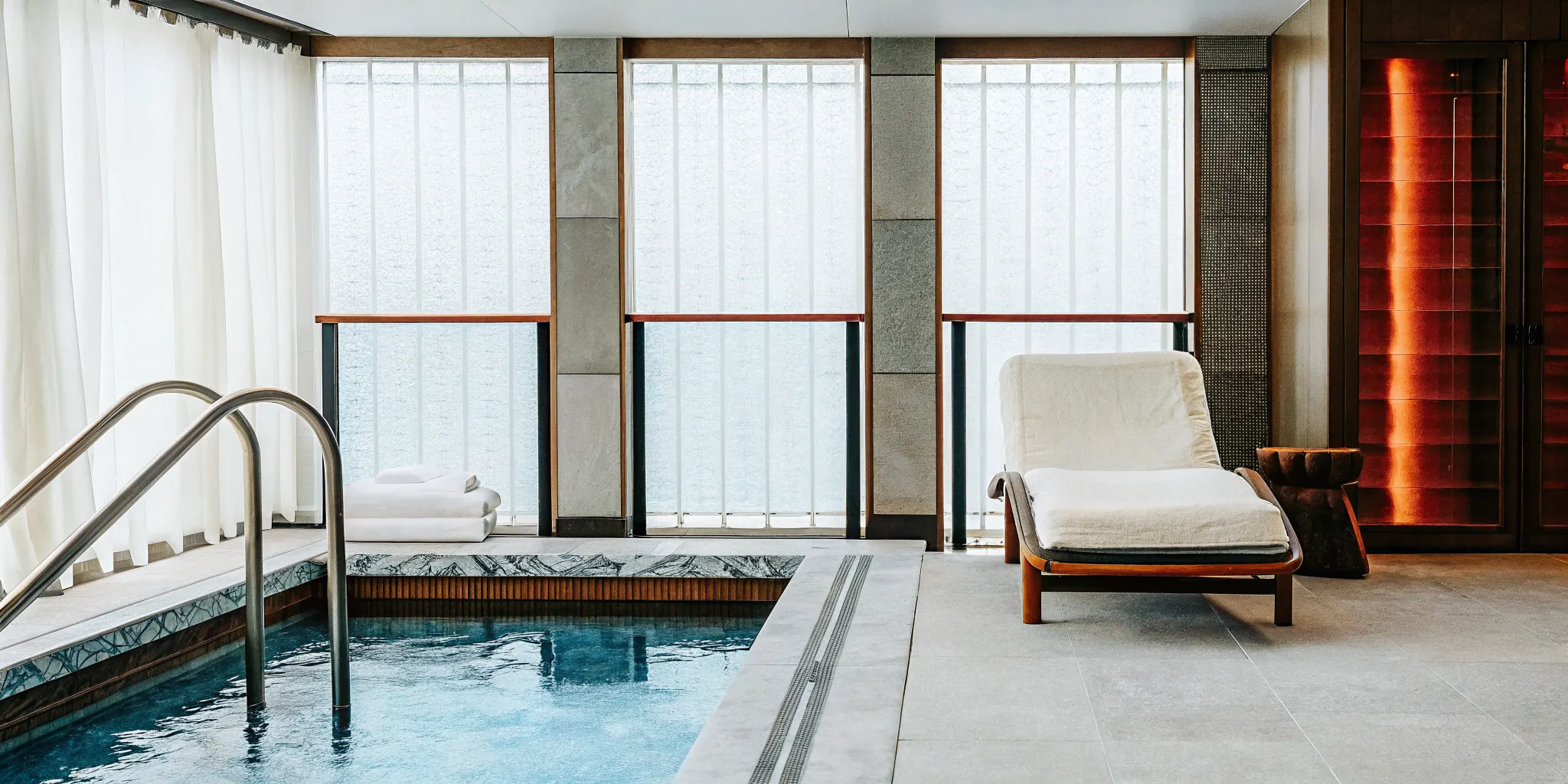
Cold water immersion remains one of the most extensively studied recovery interventions in sports science. When you submerge in cold water, the immediate vasoconstriction shifts blood flow from the periphery toward the core. Reducing the volume of fluid that can accumulate in muscle tissue. This mechanism directly addresses the swelling component of exercise-induced inflammation.
Cold plunge therapy works through vasoconstriction, which constricts blood vessels and limits fluid accumulation in muscle tissue. Immersion in water between 11 degrees Celsius and 15 degrees Celsius for 10 to 15 minutes has been shown to significantly reduce delayed onset muscle soreness and lower circulating creatine kinase levels. A key marker of muscle damage. Research published in peer-reviewed journals confirms that cold water immersion can improve recovery metrics such as jump performance and perceived soreness in the days following intense exercise.
Beyond inflammation management, cold exposure triggers the release of endorphins and norepinephrine, producing a mental clarity and mood lift that many athletes report as a secondary benefit. The thermal shock activates the sympathetic nervous system, which can improve alertness and reduce the perception of fatigue. These neurological effects complement the physical recovery process, making cold plunges a dual-purpose tool in any training regimen.
For optimal results, standard protocols recommend water temperatures between 50 degrees Fahrenheit and 59 degrees Fahrenheit with immersion durations of 10 to 15 minutes. Shorter sessions of even three minutes can provide measurable benefits for those new to the practice. Consistency matters more than duration, and regular cold plunges as part of a structured recovery routine produce cumulative benefits over time.
Red Light Therapy: How Does Photobiomodulation Support Cellular Repair?
Red light therapy is one piece of a comprehensive recovery strategy. See our complete guide to post-workout recovery for the full picture on optimizing your rest and repair.
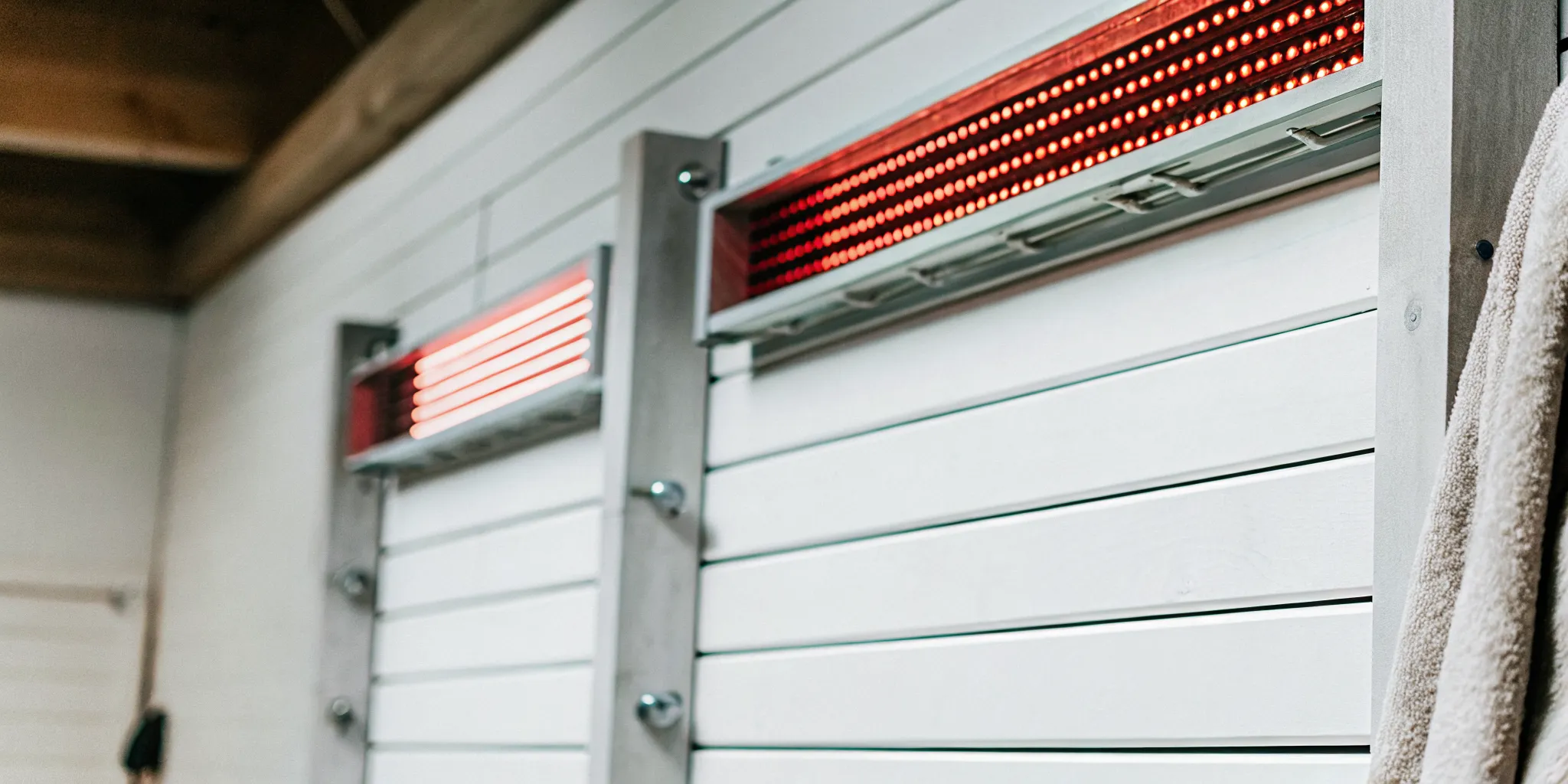
Red light therapy, also referred to as photobiomodulation, operates at the cellular level in a way that complements the vascular effects of cold exposure. Unlike thermal modalities that influence blood flow and tissue temperature, red light delivers specific wavelengths of light that penetrate the skin and reach muscle tissue directly. The most commonly used wavelengths in clinical research are 660 nm and 880 nm, both of which have been shown to stimulate mitochondrial activity.
Red light therapy uses wavelengths in the 660 nm and 880 nm range to penetrate tissue and stimulate mitochondrial ATP production. By enhancing cellular energy availability, photobiomodulation accelerates the repair of exercise-induced muscle damage and reduces oxidative stress. Research indicates that pre-conditioning muscles with red light before exercise can reduce subsequent muscle damage, while post-exposure sessions significantly decrease delayed onset muscle soreness within 48 hours. Physiopedia and other clinical resources cite consistent evidence supporting red light therapy as an effective recovery intervention.
The mitochondria within your cells absorb these light wavelengths through cytochrome c oxidase, a key enzyme in the electron transport chain. This absorption increases the production of ATP, the primary energy currency your cells use for repair and maintenance. With more ATP available, your muscle cells can synthesize proteins, clear damaged cellular components, and restore normal function more efficiently. This mechanism makes red light therapy particularly valuable for accelerating recovery from high-volume training phases.
Timing and sequencing matter. Research suggests that applying red light before training, known as pre-conditioning, can prepare muscle tissue for the stress of exercise by increasing cellular resilience. Post-training sessions help resolve inflammation and support the repair process. Many athletes find that combining red light therapy with cold plunge creates a superior recovery outcome: the cold reduces swelling and inflammation. While the light therapy drives cellular repair. These two modalities target different phases of the recovery cascade without interfering with each other, making them an effective pairing.
Experience the full recovery ecosystem at Altea. Book a tour today.
Compression Therapy: Flushing Fatigue Through Pneumatic Massage
Compression therapy is a powerful tool for flushing metabolic waste from your muscles. For a broader overview of what modern fitness clubs offer, read our guide to gym recovery amenities.
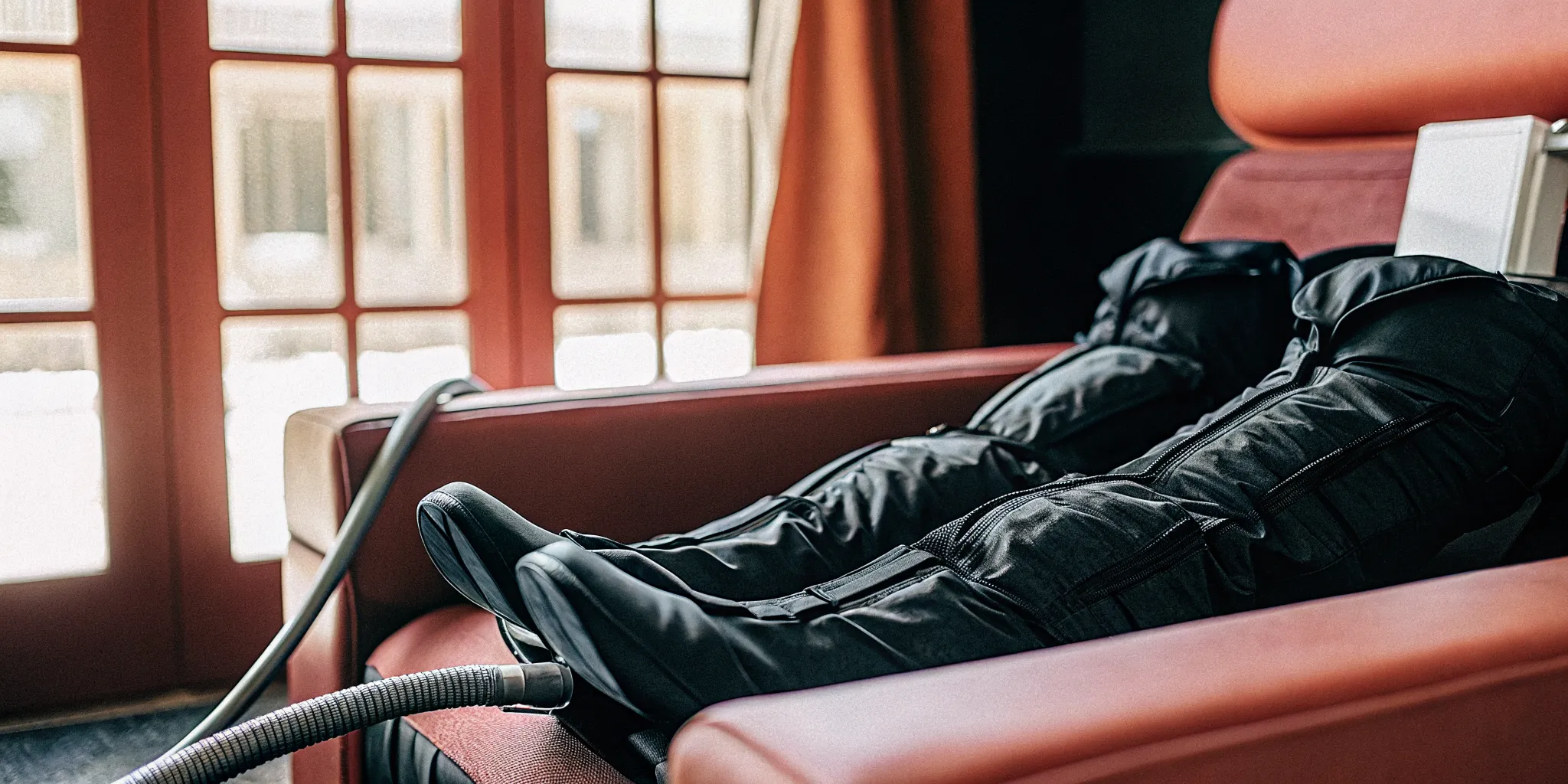
Compression therapy rounds out the triad of recovery modalities by addressing the mechanical clearance of metabolic waste. Using pneumatic devices such as the NormaTec system. Compression therapy applies sequential pressure to the limbs in a wave-like pattern that mimics the natural pumping action of muscle contractions. This external pressure assists the lymphatic and venous systems in moving fluid out of the extremities and back toward the core for processing.
Compression therapy uses sequential pneumatic pressure to mechanically assist lymphatic drainage and venous return. By applying gradient pressure that moves from the distal to proximal portions of the limbs. These devices help flush metabolic waste products such as lactate and inflammatory mediators out of muscle tissue. A single 30-minute compression session can produce measurable reductions in perceived soreness and improvements in range of motion. Regular use, particularly two to four sessions per week during heavy training cycles, supports sustained performance and reduced injury risk.
The experience of compression therapy is distinct from the sensations of cold or light. Users describe a deep, rhythmic squeezing that starts at the feet or hands and progresses upward. This wave-like pressure creates a milking action that moves fluid through the lymphatic channels. Which lack a central pump and rely on muscle movement and external pressure to function effectively. After intense training, when muscle soreness limits voluntary contraction, the mechanical assistance of compression becomes especially valuable.
The benefits extend beyond waste clearance. Improved venous return means deoxygenated blood moves more efficiently back to the heart, while the subsequent rebound increases oxygenated blood flow into the tissue. This enhanced circulation supports nutrient delivery and accelerates the removal of inflammatory mediators. Athletes recovering from heavy leg days, long runs. Or high-volume training blocks often report feeling a noticeable lightness in their limbs immediately after a compression session, reflecting the fluid shift that has occurred.
Altea features NormaTec compression recovery systems in its Recovery Lounge, available to members as part of their ongoing recovery practice. The accessibility of these tools within the club environment eliminates the logistical barrier of sourcing compression therapy externally, making consistent use far more achievable.
How Cold Plunge, Red Light, and Compression Work Together
The true power of integrated muscle recovery therapy lies in how these three modalities complement each other. Each targets a distinct part of the recovery cascade, and when used together, they create a comprehensive system that addresses inflammation, cellular repair, and waste clearance simultaneously.
Cold plunge therapy operates primarily on the vascular and inflammatory side of recovery. By constricting blood vessels and reducing fluid leakage into tissue, it limits the swelling that contributes to soreness and stiffness. Red light therapy operates at the cellular level, giving your mitochondria the energy they need to repair damaged proteins and restore cellular function. Compression therapy bridges the gap by mechanically clearing the metabolic debris that accumulates during exercise and persists during recovery.
The comparison below illustrates how each modality contributes to a complete recovery protocol:
| Modality | Primary Mechanism | Best Timing | Key Benefit |
|---|---|---|---|
| Cold Plunge | Vasoconstriction reduces fluid accumulation in tissue | Immediately post-workout | Limits inflammation and DOMS severity |
| Red Light Therapy | Mitochondrial ATP production accelerates cellular repair | Pre-workout or post-workout | Speeds tissue regeneration |
| Compression Therapy | Sequential pneumatic pressure assists lymphatic drainage | Rest days or post-workout | Clears metabolic waste improves range of motion |
The value of having all three modalities under one membership cannot be overstated. A typical recovery session at Altea might begin with red light therapy to prime cellular repair mechanisms. Followed by a cold plunge to manage inflammation, and finish with compression to flush metabolic waste. This sequence maximizes the contribution of each method without creating interference between them. Members who use this integrated approach consistently report faster recovery between sessions, fewer missed training days, and a greater sense of readiness for each workout.
Building Your Optimal Post-Workout Recovery Routine
An integrated recovery routine combines cold plunge, red light, and compression therapy for maximum benefit. Explore Altea membership pricing to see which tier includes the recovery amenities that match your training volume.
An effective recovery routine does not require hours in the club. With the right sequence and appropriate durations, a complete session can fit comfortably into 45 to 60 minutes. The key is consistency and proper timing relative to your training.
An optimal recovery routine integrates the three modalities in a logical sequence. Begin with red light therapy for 10 to 20 minutes to prime cellular energy production. Follow with a cold plunge at 11 to 15 degrees Celsius for 10 to 15 minutes to manage inflammation. Finish with compression therapy for 20 to 30 minutes to clear metabolic waste and restore range of motion. This sequence maximizes the contribution of each modality and fits into a 45- to 60-minute session that can be repeated two to four times per week during heavy training periods.
A well-structured recovery week includes several elements beyond the modalities themselves. Consider incorporating the following practices to maximize your recovery outcomes:
- Red light first. Apply photobiomodulation before or immediately after training to support mitochondrial function and prepare tissue for repair.
- Cold plunge within an hour of training. The anti-inflammatory window is most effective when cold immersion occurs within 60 minutes of exercise completion.
- Compression on rest days. Use compression therapy on days between training sessions to maintain circulation and accelerate ongoing repair processes.
- Hydration before and after each modality. Proper fluid balance supports lymphatic function and helps flush metabolic waste more efficiently.
- Track your soreness and readiness. A simple one-through-ten scale for perceived recovery helps you calibrate which modalities to emphasize each week.
- Gradually increase cold exposure. Start with three-minute plunges and build to 15 minutes over several weeks as your tolerance adapts.
- Combine light wavelengths. Look for devices that offer both red (660 nm) and near-infrared (880 nm) to reach superficial and deep tissue.
- Stay consistent. Two to four integrated recovery sessions per week produce better long-term results than sporadic intensive sessions.
Altea members have access to all of these modalities within the club, making it straightforward to follow a structured recovery protocol. The Platinum and Diamond membership tiers include Recovery Lounge credits, allowing members to build recovery into their regular training schedule without additional cost. Whether your goal is improved performance, injury prevention, or simply feeling better between workouts. An integrated recovery practice is one of the highest-leverage investments you can make in your training.
Frequently Asked Questions About Muscle Recovery Therapy
How soon after a workout should I use cold plunge therapy?
The most effective window for cold water immersion is within 60 minutes after exercise. Studies show that cold plunges during this period produce the greatest reduction in delayed onset muscle soreness and creatine kinase levels. Waiting longer than two hours reduces the anti-inflammatory benefit.
Can I use red light therapy and cold plunge on the same day?
Yes, and doing so is actually recommended for optimal recovery. Red light therapy supports cellular repair while cold immersion manages inflammation. Using red light first followed by a cold plunge allows each modality to work through its intended mechanism without interference.
How often should I use compression therapy for best results?
For athletes training four or more days per week, two to four compression sessions per week are recommended. A single 30-minute session provides measurable benefits, but consistency across the training week produces superior results. Rest days are an ideal time for compression therapy since the body has more time to process cleared metabolic waste.
Does cold plunge therapy reduce muscle gains over time?
The current evidence indicates that strategic cold water immersion does not blunt long-term hypertrophy or strength gains when used appropriately. While some studies suggest that aggressive post-workout cooling may attenuate the acute inflammatory signal. The effect appears minimal with standard protocols of 10 to 15 minutes at moderate temperatures. The recovery benefits generally outweigh any theoretical reduction in adaptation.
What is the optimal sequence for a full recovery session?
Begin with red light therapy for 10 to 20 minutes to stimulate cellular energy production. Follow with a cold plunge at 11 to 15 degrees Celsius for 10 to 15 minutes to manage inflammation. Finish with compression therapy for 20 to 30 minutes to clear metabolic waste. This sequence maximizes the benefit of each modality and fits into a single 45- to 60-minute session.