
You crushed your workout. Now what? What you do in the hours and days after exercise is just as important as the workout itself. Your muscles need time and the right conditions to repair, rebuild, and grow stronger. Effective post-workout recovery is the difference between waking up sore and stiff versus waking up ready to train again. Taking a proactive approach to recovery prevents injury, minimizes muscle fatigue, and ensures that you can sustain a long-term fitness routine without burning out.
Explore Altea’s recovery amenities and fitness classes: your all-in-one membership includes everything you need to recover smarter, from saunas and steam rooms to cold plunges and stretching studios.
Why Does Post-Workout Recovery Matter?
Every workout creates microscopic tears in your muscle fibres. This is a normal and necessary part of building strength and endurance. Recovery is the period when your body repairs those tears, replenishes energy stores, and adapts to the stress you placed on it. Without proper recovery, you risk overtraining, diminished performance, and increased injury risk. When you push your body during high-intensity training, you deplete muscle glycogen and accumulate metabolic byproducts that must be cleared to restore balance.
The science is clear: growth happens during rest, not during the workout itself. Your nervous system needs time to reset, your hormones need to rebalance, and your connective tissue needs to rebuild. A well-designed recovery strategy accelerates all of these processes, helping you return to training faster and stronger. Furthermore, chronic stress from overtraining can raise cortisol levels, which impairs muscle tissue repair and disrupts sleep. Making active rest and structured recovery protocols absolute necessities for anyone serious about their health.
The Three Pillars of Post-Workout Recovery
Effective recovery is not a single activity. It is a system with three interconnected pillars: stretching and mobility work, strategic nutrition and hydration, and active recovery techniques. When you combine all three, you create an environment where your body can repair itself efficiently. Neglecting any one of these pillars can create a bottleneck in your progress. Leading to stubborn muscle tightness, chronic dehydration, or prolonged muscle soreness that holds you back from your potential.
Active Recovery vs. Passive Recovery
Active recovery involves low-intensity movement that promotes blood flow and reduces stiffness without taxing your muscles. Think gentle stretching, walking, or light cycling. Passive recovery is complete rest, which includes sleep, lying down, or sitting in a sauna or steam room. Both play distinct roles. Active recovery is best for the hours immediately after exercise and during rest days, while passive recovery is essential for deep tissue repair and nervous system restoration. Utilizing both strategies in a structured manner ensures comprehensive physical and mental rejuvenation.
| Aspect | Active Recovery | Passive Recovery |
|---|---|---|
| Definition | Low-intensity physical activity that promotes blood circulation. | Complete physical and mental rest with no exercise. |
| Examples | Walking, light cycling, gentle yoga, dynamic stretching. | Sleeping, sitting in a sauna, cold plunge, massage. |
| Best Used For | Immediately after workouts and on active rest days. | Deep muscle repair, nervous system reset, and severe fatigue. |
| Primary Benefit | Flushes metabolic waste and reduces muscle stiffness. | Rebuilds torn muscle fibers and restores energy stores. |
Stretching and Mobility for Recovery
Stretching is one of the most accessible and effective tools for post-workout recovery. It helps restore range of motion, reduces muscle tension, and can decrease the severity of delayed onset muscle soreness (DOMS).
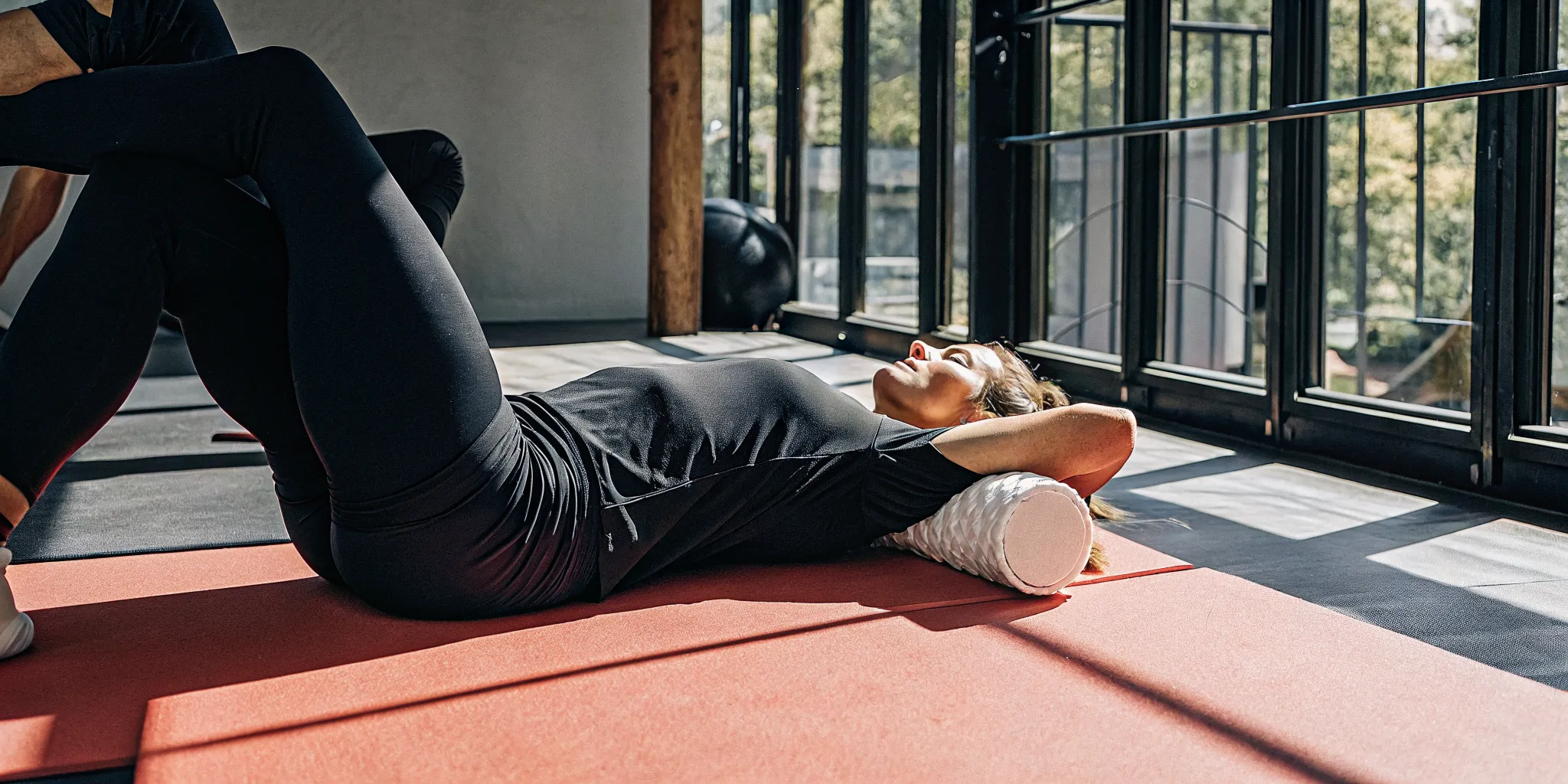
Static Stretching After Exercise
Static stretching involves holding a stretch for 15 to 60 seconds without bouncing. After your workout, when your muscles are warm, this is the ideal time to improve flexibility and release tension. Target the muscle groups you just worked. For a leg day, that means hamstrings, quadriceps, glutes, and calves. For upper body, focus on chest, back, shoulders, and arms. Doing so helps bring your nervous system out of a high-alert sympathetic state and down-regulates it into a relaxing parasympathetic state, initiating the recovery process early.
Foam Rolling and Self-Myofascial Release
Foam rolling applies pressure to trigger points and tight areas in your muscles, helping to break up adhesions and improve blood flow. Spend 30 to 60 seconds on each major muscle group, moving slowly and breathing into tight spots. Research suggests foam rolling can reduce DOMS and improve range of motion for up to 48 hours after exercise. By targeting fascial restrictions, self-myofascial release restores tissue elasticity and reduces the localized inflammation that contributes to post-exercise soreness and stiffness.
Yoga and Mobility Work
A dedicated mobility practice, such as a yoga or mobility class, targets both flexibility and joint health. Unlike static stretching, mobility work moves your muscles through their full range of motion under control. This not only aids recovery but also reduces your risk of injury during future workouts. At Altea, members can choose from over 400 weekly classes including yoga and Pilates as part of their membership. Allowing them to build a resilient and agile body that performs beautifully under any training stress.
Nutrition and Hydration for Recovery
What you eat and drink after exercise directly affects how quickly your body recovers. Your muscles are primed to absorb nutrients in the window immediately after your workout, and getting the right balance of macronutrients can significantly speed up recovery.
The Post-Workout Nutrition Window
Consuming protein and carbohydrates within 30 to 60 minutes after exercise is ideal. Protein provides the amino acids your muscles need for repair. Carbohydrates replenish the glycogen stores you depleted during your workout. A 3-to-1 or 4-to-1 ratio of carbohydrates to protein is a common guideline for endurance athletes, while strength training may lean closer to 2-to-1. Whole food options like a chicken and rice bowl, Greek yoghurt with fruit. Or a smoothie with protein powder are all effective choices to kickstart muscle protein synthesis and halt muscle breakdown.
Key Nutrients for Muscle Repair
Beyond protein and carbs, certain micronutrients play supporting roles in recovery. Magnesium helps with muscle relaxation and can reduce cramping. Omega-3 fatty acids have anti-inflammatory properties that may ease DOMS. Vitamin D and calcium support bone health and muscle function. A balanced diet that includes leafy greens, fatty fish, nuts, and seeds will cover most of these bases. Ensuring that your cellular repair mechanisms have the raw materials required to rebuild stronger structural proteins.
Hydration Strategies
You lose fluid through sweat during exercise, and even mild dehydration can impair recovery. Weigh yourself before and after your workout and drink 16 to 24 ounces of water for every pound lost. Adding electrolytes, including sodium, potassium, and magnesium, helps your body retain that fluid and supports nerve and muscle function. Coconut water, electrolyte tabs, or a pinch of salt in your water are all effective options to prevent muscle cramping and maintain proper intracellular fluid balance.
Discover Altea’s wellness amenities: from steam rooms to recovery lounges, everything you need for complete recovery is included in one membership.
Active Recovery Techniques
Active recovery keeps blood flowing to your muscles without adding more training stress. This increased circulation delivers oxygen and nutrients to damaged tissue while helping flush out metabolic waste products like lactic acid. Altea’s meditation lounge offers a quiet space for active recovery, allowing you to relax your mind while your body repairs.
Low-Intensity Cardio
A 15 to 30 minute walk, light jog. Or easy cycling session at 50 to 60 percent of your maximum heart rate is one of the most effective active recovery methods. It elevates your heart rate just enough to promote circulation without triggering additional muscle breakdown, helping to clear lactic acid from your bloodstream much faster than complete inactivity.
Swimming and Water Therapy
Water provides natural resistance while reducing impact on your joints. Swimming, aqua jogging, or even just walking in a pool can reduce muscle soreness more effectively than land-based recovery in some studies. The cool water also helps manage inflammation.

Compression Therapy
Compression garments and pneumatic compression devices apply pressure to your limbs, helping move fluid out of your muscles and reducing swelling. Many athletes use compression boots or sleeves after intense training sessions to speed up recovery and reduce perceived soreness. This compression enhances venous return, ensuring that oxygen-rich blood can return to fatigued leg and arm muscles promptly.
Recovery Tools and Amenities
Modern fitness and wellness clubs offer a range of tools designed to accelerate recovery. When these are available as part of your regular routine, recovery becomes a seamless part of your fitness lifestyle rather than an afterthought.
Sauna and Steam Room
Heat therapy through saunas and steam rooms promotes relaxation, increases blood flow, and can help reduce muscle stiffness. The heat causes your blood vessels to dilate, which increases circulation to sore muscles. A 10 to 15 minute session after your workout is sufficient to experience the benefits. Heat exposure also stimulates the release of growth hormone and heat shock proteins, which protect cells from oxidative stress and accelerate repair.
Cold Plunge and Cryotherapy
For a comprehensive look at how heat and cold work together, read our guide to contrast therapy with sauna and cold plunge, which explains the science behind alternating temperatures. Cold exposure constricts blood vessels and reduces inflammation, which can help manage acute soreness after intense training. A 5 to 10 minute cold plunge or ice bath within 30 minutes of finishing your workout may reduce muscle pain for up to 24 hours. Altea members have access to cold plunge amenities as part of their membership, providing a fast and powerful way to reduce systemic inflammation and boost mental clarity.
Learn about cold plunge therapy and how it supports recovery
Red Light Therapy
Red and near-infrared light therapy penetrates deep into muscle tissue and may stimulate cellular repair. Some research suggests it can reduce inflammation, accelerate muscle recovery, and even improve exercise performance over time. Red light therapy sessions typically last 10 to 20 minutes and are available at many premium wellness clubs. Working directly on a cellular level to enhance mitochondrial ATP production.
Read more about how red light therapy helps muscles recover faster
Lymphatic Drainage Therapy
The lymphatic system is your body’s natural waste removal network. Manual or machine-assisted lymphatic drainage helps move lymph fluid through your body, clearing out metabolic waste products that accumulate during exercise. This can reduce swelling, improve circulation, and speed up overall recovery time. Utilizing lymphatic drainage technology allows you to actively clear cellular debris, returning your muscles to peak functional status in a fraction of the time.
Explore the types of lymphatic drainage machines for recovery
Why Is Sleep the Ultimate Post-Workout Recovery Tool?
No amount of stretching, nutrition, or active recovery can compensate for poor sleep. During deep sleep, your body releases growth hormone, which is essential for tissue repair and muscle growth. Your central nervous system also recovers during sleep, restoring your ability to coordinate movement and generate force. Sleep deprivation not only stalls muscle building, but it also lowers your pain threshold and reduces your cognitive focus, increasing your likelihood of making technical errors during training.
Aim for seven to nine hours of quality sleep per night, especially after intense training. Strategies for better sleep include maintaining a consistent bedtime, avoiding screens for 30 minutes before bed. Keeping your room cool and dark, and avoiding heavy meals or caffeine within two hours of sleep. Prioritizing rest is the most powerful passive recovery strategy available, functioning as the primary biological foundation for all cellular adaptation and athletic improvement.
How to Build Your Post-Workout Recovery Routine
An effective recovery routine does not need to be complicated. Start with these steps and adjust based on what works best for your body and schedule.
- Immediately after your workout (0 to 30 minutes):
- Cool down with five minutes of light cardio (walking or easy cycling).
- Perform static stretching of the muscle groups you worked, holding each stretch for 30 seconds.
- Have a protein and carbohydrate-rich snack or meal to initiate repair.
- If your workout was particularly intense, consider a cold plunge or ice bath.
- The following 24 to 48 hours:
- Stay hydrated throughout the day, incorporating electrolytes if you sweat heavily.
- Include a 15 to 30 minute active recovery session on rest days, such as a walk, gentle yoga, or foam rolling session.
- Use heat therapy in a sauna or steam room to promote deep blood flow.
- Prioritise seven to nine hours of quality sleep to let your growth hormones rebuild tissue.
Frequently Asked Questions About Post-Workout Recovery
How long should I wait before doing post-workout stretching?
You can begin static stretching immediately after your workout while your muscles are still warm. Aim to complete your stretching routine within 10 to 15 minutes of finishing your exercise session.
Is it better to rest or do active recovery on rest days?
Both have their place. Light active recovery like walking, yoga, or foam rolling is generally recommended on rest days because it promotes circulation without adding training stress. However, if you feel exhausted or are fighting an illness, complete rest is the better choice.
How much protein do I need after a workout?
A general guideline is 20 to 40 grams of protein within two hours after exercise. The exact amount depends on your body weight, the intensity of your workout, and your overall daily protein intake. A 30-gram protein shake or a meal containing lean meat, eggs, or Greek yoghurt is a practical target for most people.
Can you do too much recovery?
It is possible to overdo passive recovery — spending excessive time inactive can lead to deconditioning. The goal is to balance active recovery, passive recovery, sleep, and nutrition in a way that supports your training volume. If you are recovering well and making progress in your workouts, your routine is working.
What is the single most important recovery factor?
Sleep. Even with perfect nutrition and stretching, inadequate sleep will limit your recovery and performance. Prioritising seven to nine hours of quality sleep is the single most impactful thing you can do for recovery.
Recover Smarter, Train Stronger
Post-workout recovery is not optional: it is an essential component of any effective fitness routine. By combining stretching and mobility work, strategic nutrition and hydration, active recovery techniques, and recovery tools like saunas. Cold plunges, and red light therapy, you can dramatically improve how your body feels and performs between workouts.
For a broader overview of what to look for in a wellness facility, see our complete guide to gym recovery amenities to understand how different tools support your body. At Altea, recovery is built into the membership. With premier recovery amenities, 400+ weekly classes including yoga and mobility. And a community focused on holistic wellness, Altea makes it easy to integrate recovery into your fitness lifestyle.
Explore Altea memberships and start recovering smarter today