
Choosing between the deep, enveloping dry heat of a traditional sauna and the gentle. Hydrating mist of a steam room is a pivotal decision in any high-performance recovery routine. While both modalities serve as cornerstones of physiological rejuvenation, they elicit fundamentally different biological responses. Understanding the distinct therapeutic mechanisms of each heat therapy allows you to optimize cardiovascular health, accelerate muscle recovery, and elevate your overall well-being.
Ready to elevate your everyday recovery? Explore Altea’s premium fitness classes or schedule a complimentary club tour to experience our world-class thermal suites today.
A sauna vs steam room comparison highlights dry vs. moist heat therapy. Saunas utilize low-humidity dry heat (150 degrees F to 195 degrees F) to optimize cardiovascular conditioning and cellular recovery. Steam rooms provide high-humidity wet heat (110 degrees F to 120 degrees F) to enhance respiratory function and skin hydration. Both promote detoxification, muscle relaxation, and metabolic efficiency within a comprehensive wellness routine.
Selecting the optimal heat modality is a fundamental component of athletic progression and physical maintenance. To tailor your recovery to your specific physiological needs, it is essential to examine how dry and moist heat uniquely affect the body. We begin with a deep dive into the dry environment of the traditional sauna.
Understanding Saunas: Deep Dry Heat for Cardiovascular Recovery
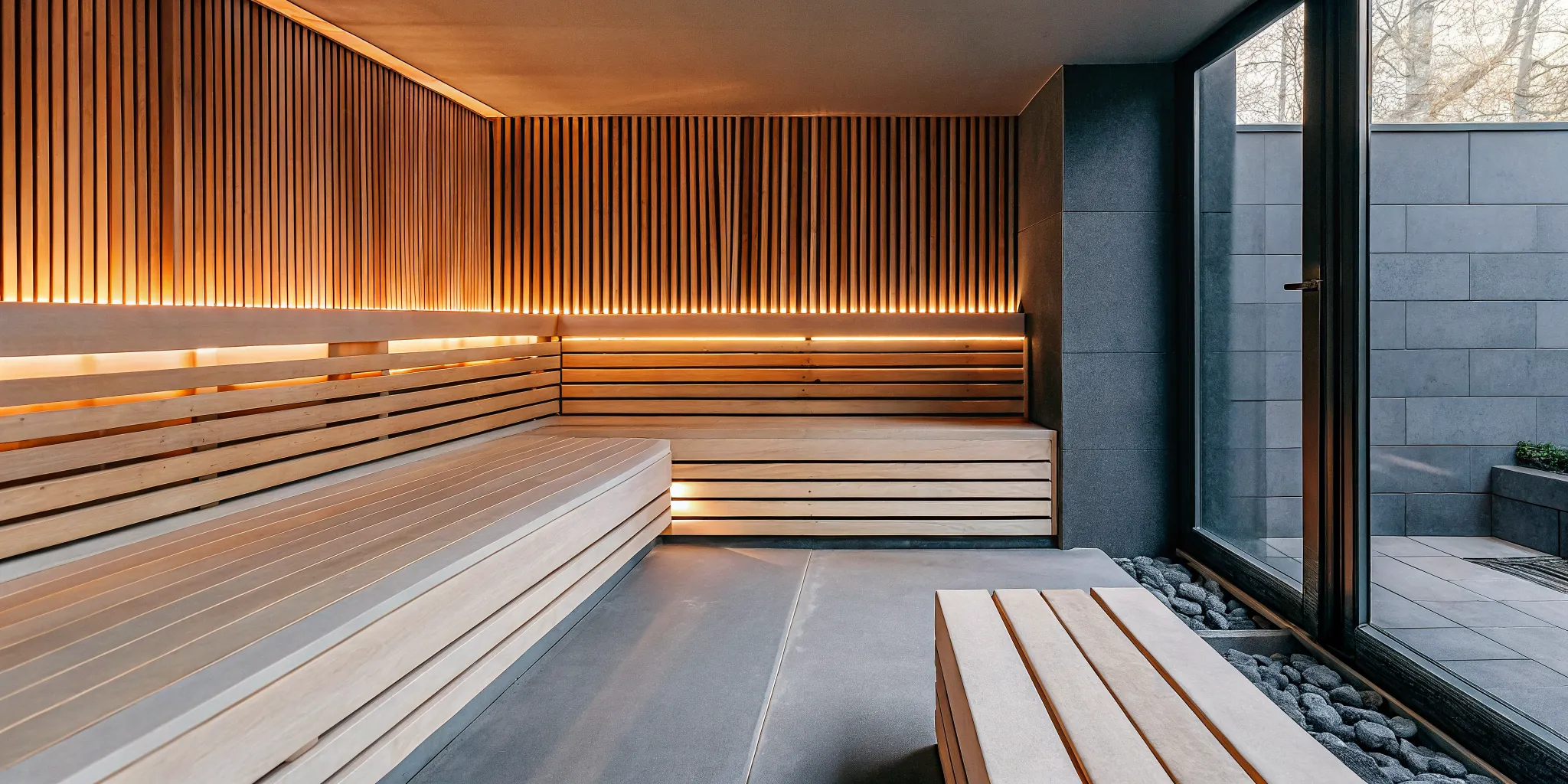
Traditional saunas utilize radiant dry heat to promote cellular repair and systemic recovery following intensive physical exertion. By maintaining exceptionally low humidity levels, saunas facilitate rapid sweat evaporation and thermoregulation. When choosing a wellness partner, securing access to premium sauna and steam facilities is a transformative addition to your lifestyle, offering a sanctuary to integrate somatic recovery with cognitive restoration.
The way dry heat works
A dry sauna operates at elevated temperatures, typically ranging from 150 degrees F to 195 degrees F. Despite these extreme temperatures, the humidity level is maintained at a remarkably low 5% to 20%, as documented by the University at Buffalo. This hot, arid environment promotes deep perspiration, allowing the body to initiate its natural thermoregulatory cooling mechanisms without the oppressive weight of ambient moisture.
The sensation of dry heat is distinctly crisp compared to wet steam, delivering a penetrating warmth that reaches deep into skeletal muscle tissue. Many individuals find this arid environment easier to tolerate for extended durations. This tolerability is why athletes prefer a sauna vs steam room protocol following resistance training or conditioning. The absence of humidity permits immediate sweat evaporation, stimulating the body’s cooling mechanisms and prompting intense sweating.
Impact on heart health
Engaging in regular sauna sessions provides physiological benefits that extend far beyond simple relaxation. Emerging scientific literature suggests that brief, structured heat exposure acts as a form of mild cardiovascular conditioning. By dilating blood vessels and elevating your heart rate, sauna use stimulates blood flow in a manner that mirrors moderate physical exercise, thereby reinforcing cardiac efficiency.
Integrating heat therapy into your lifestyle supports long-term heart function and vascular elasticity. Research focusing on sauna use and healthspan indicates that consistent utilization assists in maintaining arterial health over time. While individual tolerance varies, comprehensive literature reviews demonstrate clear cardiovascular advantages for healthy adults, including reduced systemic vascular resistance and a down-regulation of the sympathetic nervous system.
A long history of healing
Therapeutic heat bathing is a time-honored practice with deep roots in diverse global cultures. For centuries, societies have recognized the restorative properties of sweating to cleanse the body and clear the mind. Modern wellness programs continue to draw inspiration from these historic traditions, adapting them to meet the needs of today’s high-performance lifestyle.
- Finnish saunas rely on dry, wood-lined chambers heated by volcanic rocks to create an intensely hot and low-humidity recovery environment.
- Roman caldariums utilized advanced hypocaust underfloor heating systems to warm stone surfaces and provide radiating heat for continuous relaxation.
- Modern infrared saunas utilize electromagnetic spectrum waves to directly warm body tissue, achieving deep penetration at lower ambient temperatures.
- Indigenous sweat lodges represent sacred ceremonial spaces designed to promote holistic physical purification and spiritual alignment through heat.
Today, we leverage these refined traditional methods to combat the physical and mental stress of modern life. Whether your goal is to alleviate delayed-onset muscle soreness or simply disconnect from daily demands, the dry sauna offers a quiet sanctuary for deep healing. Incorporating this practice into your weekly routine represents a profound investment in your long-term vitality, ensuring you get the most out of your premium club experience.
Demystifying Steam Rooms: Gentle Moist Heat for Hydration and Respiration
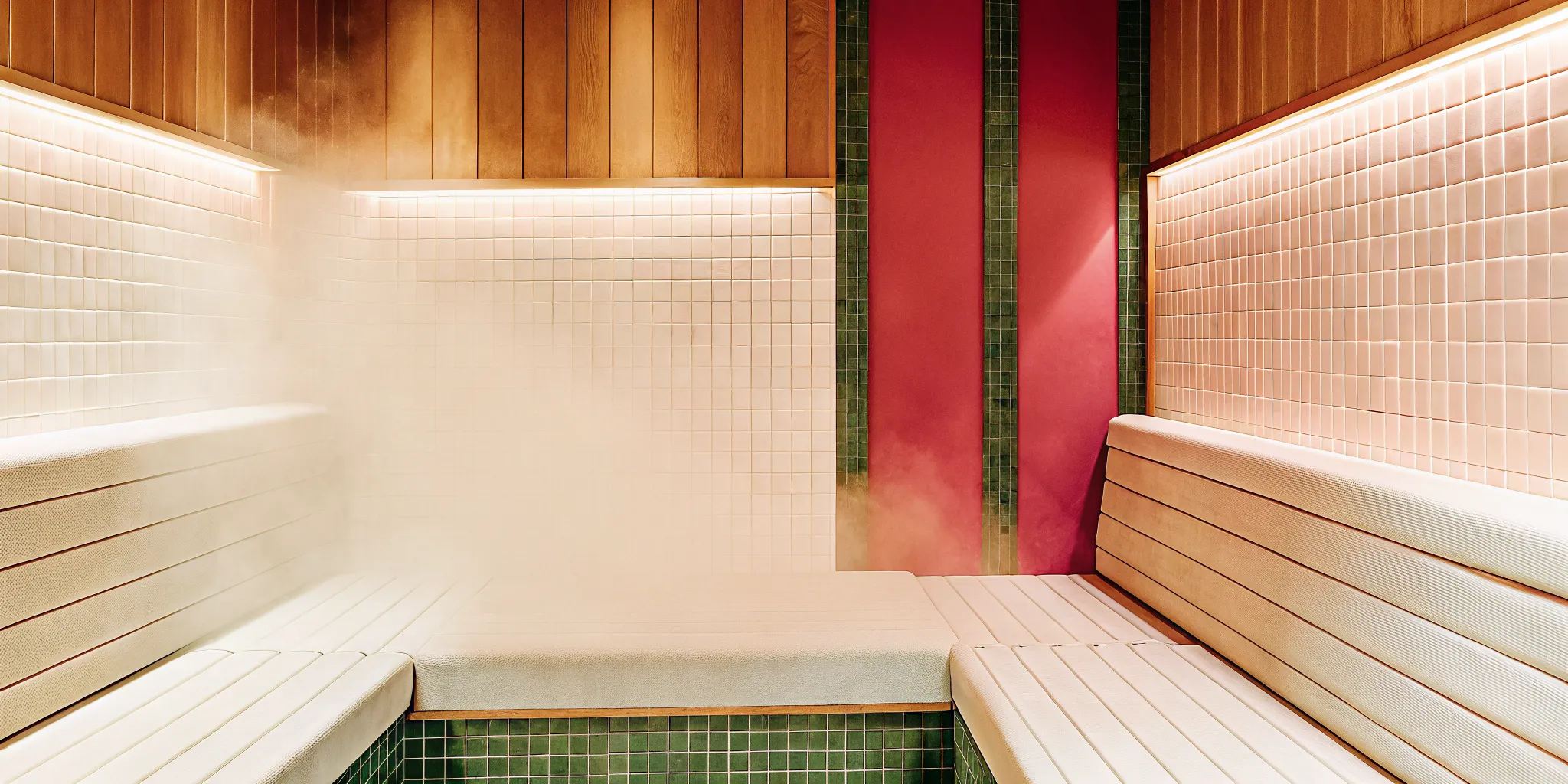
Steam rooms offer a distinct sensory experience that contrasts sharply with the arid atmosphere of a dry sauna. While a sauna relies on elevated temperatures and dry air, a steam room utilizes a generator to disperse a continuous, warm mist that saturates the environment. These spaces operate at lower temperatures, typically between 110 degrees F and 120 degrees F, but maintain 100% relative humidity. Because the air is completely saturated, sweat cannot evaporate from your skin, making the environment feel significantly hotter and more intense than the thermostat indicates.
The science of wet heat
The saturated environment of a steam room fundamentally alters how the human body processes thermal stress. In a dry sauna, the evaporation of perspiration cools the skin; in a steam room, the condensation of warm mist on the skin traps body heat. This barrier prevents evaporative cooling, raising your core temperature efficiently and encouraging blood vessels to dilate rapidly. This process enhances peripheral blood flow, delivering vital nutrients to fatigued muscle groups and joints.
At Altea, our thermal suites are meticulously engineered to support your physical restoration. These sophisticated environments are positioned alongside our other premium wellness experience, including advanced saunas and contrast therapy facilities. Many members find that the moist, tranquil atmosphere of the steam room provides an ideal setting to slow their breathing. Quiet their minds, and transition from high-intensity training to a state of deep, restorative rest.
Better breathing and soft skin
The heavy mist within a steam room delivers exceptional therapeutic benefits for both the respiratory system and the skin. Inhaling warm, moist air helps soothe dry or irritated nasal passages and airways. This gentle hydration thins mucus and relaxes the bronchioles, providing immediate respiratory relief for individuals experiencing seasonal congestion or airway dryness. Many members report taking noticeably deeper, easier breaths after spending just a few minutes in the steam suite.
Sustained exposure to moist heat also represents a highly effective method for skin hydration. While dry environments can deplete skin moisture, the high humidity of a steam room infuses the outer layers of the skin with deep hydration. Leaving the skin supple, soft, and visibly refreshed. The heat also facilitates the gentle opening of pores, allowing for deep cleansing and promoting a healthy, post-workout glow that lasts long after you leave the club.
Heart health and body heat
Despite operating at lower absolute temperatures, wet heat places a unique and beneficial demand on the cardiovascular system. Research indicates that moist heat exposure can trigger a larger rise in heart rate and core temperature compared to dry heat of a similar duration. Because the body cannot employ evaporative cooling, the heart must pump more vigorously to redirect blood flow to the skin, creating a controlled, low-impact vascular workout.
It is essential to approach wet heat therapy with mindfulness and proper preparation. Beginners should start with short sessions of five to ten minutes, ensuring they are fully hydrated before entering the room. Drinking adequate water after exiting is equally crucial to replenish fluids lost through perspiration. If you experience lightheadedness, it is vital to step out immediately, allowing your body to cool down. Consistent, progressive use will allow your cardiovascular system to adapt, unlocking the full benefits of this luxurious recovery ritual.
Sauna vs Steam Room: Comparing Temperature, Humidity, and Thermal Experience
While both environments utilize thermal therapy to promote recovery and relaxation, they present distinct physical climates. The fundamental difference lies in the moisture content of the air. A sauna offers a dry, high-temperature environment that encourages rapid sweat evaporation, whereas a steam room provides a humid, lower-temperature climate that envelops the body in continuous moisture. Selecting the ideal modality depends on your personal preferences, recovery goals, and physical tolerance.
The Core Difference: Dry Heat vs. Wet Heat
Entering a dry sauna is comparable to experiencing a hot, arid climate. The low humidity levels allow sweat to evaporate almost instantly, providing a cooling sensation on the skin’s surface even as your internal core temperature begins to rise. This efficient evaporation often makes dry heat feel highly tolerable for longer durations. Conversely, a steam room delivers a humid, tropical sensation where the air is fully saturated. Perspiration cannot evaporate, creating a deeply warming envelope of wet heat that feels exceptionally intense. For a detailed breakdown of how these facilities are integrated into our clubs, read our comprehensive sauna vs steam room comparison.
In a traditional sauna, heat is generated by an electric or wood stove heating volcanic rocks. And while splashing water onto the stones creates a temporary burst of steam (known as loyly), the overall atmosphere remains dry. In contrast, steam rooms are constructed from non-porous materials like tile, glass, or acrylic to contain the moisture generated by a dedicated steam generator. This creates a dense, visible fog that continuously hydrates the skin and lungs, providing a deeply soothing sensory experience.
Heat and Moisture Breakdown
The physical parameters of these two recovery tools highlight their contrasting natures. Saunas operate at significantly higher temperatures because the absence of moisture prevents the air from transferring heat too rapidly to the skin. Steam rooms must be kept at lower absolute temperatures because the high humidity increases the rate of heat transfer, making lower temperatures feel intensely hot. Data from the University at Buffalo indicates that saunas typically operate between 150 degrees F and 195 degrees F. While steam rooms are maintained between 110 degrees F and 120 degrees F.
| Physiological Parameter. | Traditional Dry Sauna. | Moist Steam Room. |
|---|---|---|
| Temperature Range | 150 degrees F to 195 degrees F. | 110 degrees F to 120 degrees F. |
| Relative Humidity | 5% to 20% (Arid climate). | Nearly 100% (Fully saturated). |
| Primary Heat Source | Electric or volcanic rock stove. | Dedicated steam generator. |
| Skin Sensation | Intense, penetrating dry warmth. | Enveloping, heavy moist heat. |
| Thermoregulation | Rapid sweat evaporation and cooling. | Condensation on skin; no sweat evaporation. |
| Primary Therapeutic Focus | Cardiovascular conditioning. | Respiratory hydration and skin health. |
Body Strain and Making the Best Choice
The difference in humidity levels has a direct impact on your cardiovascular response to heat. Because a saturated environment prevents evaporative cooling, wet heat can place a higher physiological strain on the body than dry heat of the same temperature. Research utilizing the heat strain index shows that core body temperatures and heart rates can rise more rapidly in a steam room. This means that individuals may experience cardiovascular fatigue more quickly when sitting in the mist, necessitating shorter session lengths.
Ultimately, the choice between these two exceptional recovery tools comes down to your personal health objectives and comfort. Some individuals prefer the sharp, clean heat of a sauna to soothe deep muscular aches and promote joint flexibility. Others thrive in the enveloping moisture of a steam room, prioritizing respiratory clarity and skin hydration. At Altea, we integrate both modalities into our holistic wellness ecosystem, allowing you to experiment. Listen to your body, and design a customized recovery routine that perfectly aligns with your lifestyle.
Health Benefits: How Dry and Moist Heat Impact Your Body
Both dry and moist heat therapies offer profound benefits that support your physical progression and long-term wellness. Through intense sweating, both modalities facilitate natural cellular detoxification and support metabolic health. Additionally, the elevated heart rate experienced during these sessions can contribute to daily caloric expenditure. Whether you prefer the arid environment of the sauna or the dense mist of the steam room, consistent heat exposure serves as a powerful catalyst for systemic recovery.
Heart and Metabolic Impact
Your cardiovascular system responds dynamically to heat exposure. Because high humidity prevents sweat from evaporating. Steam rooms can induce a more rapid rise in heart rate and core temperature compared to dry saunas of a similar temperature. A comparative study on physiological strain confirmed that wet heat environments can elicit an accelerated cardiac response, making them an excellent tool for low-impact cardiovascular conditioning.
Vascular function is also positively influenced by regular heat therapy. Both dry and moist heat promote systemic vasodilation, which helps reduce diastolic blood pressure during the session. However, dry saunas can cause a temporary rise in systolic blood pressure as the heart works to pump blood to the skin’s surface. This transient cardiovascular exertion effectively mimics the effects of moderate aerobic exercise, supporting long-term vascular health and arterial elasticity.
Sweating and Body Mass
Perspiration is the body’s primary mechanism for maintaining thermal equilibrium during heat exposure. Interestingly, dry saunas often stimulate a greater volume of sweat loss and subsequent reduction in temporary body mass compared to steam rooms. The dry air causes sweat to evaporate instantly, prompting the sweat glands to work continuously to keep the skin cool. This makes the sauna highly effective for flushing the lymphatic system and reducing acute water retention.
While you may feel wetter in a steam room, much of that moisture is actually condensation from the ambient mist rather than pure perspiration. Because the air is already saturated, your sweat cannot evaporate, which limits the total volume of fluid your body can shed. To determine which sweating mechanism is most comfortable and effective for your personal wellness goals, consult our detailed sauna vs steam room comparison.
Recovery and Relaxation
Alleviating muscular tension is a primary benefit of regular thermal therapy. The heat causes blood vessels to widen, significantly increasing the delivery of oxygen and nutrient-rich blood to damaged muscle fibers. This accelerated circulation speeds up the removal of metabolic waste products, effectively reducing the duration and severity of delayed-onset muscle soreness. For many members at Altea, incorporating these premium recovery tools like saunas and steam rooms is vital for transitioning from an intense workout to a state of calm, somatic recovery.
The cognitive benefits of thermal therapy are just as significant as the physical rewards. Spending time in a quiet, heated sanctuary encourages a shift from a sympathetic “fight-or-flight” state to a parasympathetic “rest-and-digest” state. This transition helps lower cortisol levels, promotes the release of endorphins, and improves sleep quality. By making heat therapy a consistent habit, you support both your physical resilience and mental clarity, ensuring you return to your workouts feeling completely recharged.
How to Choose: Sauna or Steam Room for Your Specific Fitness Goals?
Deciding whether to incorporate a dry sauna or a moist steam room into your post-workout routine depends on what your body requires on any given day. While both modalities offer exceptional health benefits, they target different physiological systems. To maximize your results, it is helpful to align your choice of heat therapy with your specific training objectives. Whether you are focusing on cardiovascular conditioning, muscular recovery, or skin health.
Many individuals utilize these thermal suites to accelerate tissue repair and joint mobility after intense strength training. Whether your priority is optimizing cardiac output, relieving respiratory congestion, or purifying your skin, selecting the correct environment will enhance your overall physical outcomes. For a comprehensive overview of how these modalities compare across various wellness goals, refer to our detailed sauna vs steam room comparison.
Healing goals for recovery
If your primary training objective is to support cardiovascular health and joint flexibility, the dry sauna is your ideal choice. Consistent sauna use has been shown to support cardiac function and improve arterial compliance. The intense, radiating heat helps relax tight muscles and increases range of motion, making it highly effective for post-workout stretching and mobility work.
Additionally, the low-humidity environment of a sauna is highly beneficial for individuals looking to flush their system of metabolic waste. Because the dry air allows for continuous sweat evaporation, your body can tolerate higher temperatures for longer periods. Facilitating a deep, purifying sweat that helps soothe chronic joint stiffness and deep tissue soreness.
Skin and lung health
If your goals focus on respiratory wellness, sinus relief, and skin hydration, you should prioritize the steam room. The warm, saturated air acts as a natural expectorant, helping to hydrate dry airways and clear congestion. This makes the steam suite an invaluable asset during dry winter months or for individuals recovering from seasonal respiratory fatigue.
The high humidity of the steam room is also highly beneficial for dermatological health. While dry heat can strip the skin of natural oils, moist heat infuses the outer layers of the skin with deep hydration. This process opens the pores, facilitates the removal of impurities, and leaves your skin feeling incredibly soft and refreshed with a healthy, natural glow.
A simple choice plan
To help you navigate your thermal recovery sessions with confidence, we have developed a structured, step-by-step choice plan:
- Identify your primary wellness focus. Select the dry sauna for deep heat. Choose the steam room for skin rejuvenation. Explore our Toronto thermal suite and spa amenities for location-specific recovery options.
- Calibrate your session duration based on experience. Beginners should start with five to ten minutes. Experienced users can safely extend to twenty minutes.
- Understand the unique physical climate. Saunas offer extreme dry heat. Steam rooms deliver lower temperatures but 100% relative humidity.
- Structure your sequence when using both. Start with the dry sauna first. Conclude with the hydrating steam room.
- Prioritize proactive hydration. Drink ample water and replenish electrolytes. This maintains optimal hydration levels and supports recovery.
Regardless of which thermal environment you select, integrating these practices into your routine is highly beneficial. At Altea, we make it seamless to include these advanced recovery rituals in your lifestyle, providing unrestricted access to world-class thermal suites as part of your membership. Always listen to your body and adjust your sessions to ensure a safe, luxurious, and highly restorative experience.
Premium Recovery at Altea: Saunas, Steam Rooms, and Beyond
At Altea Active, we believe physical recovery is just as critical as the workout itself. Our state-of-the-art clubs across Canada are complete wellness ecosystems where high-performance training meets science-backed restoration. Unlike traditional facilities that treat recovery as an afterthought, we provide a dedicated sanctuary to heal, relax, and elevate your everyday life. These premium suites are fully integrated, ensuring world-class wellness is a seamless part of your daily routine.
Luxury saunas and steam rooms for total health
The core of our recovery experience is centered around our beautifully designed thermal suites. Our dry saunas are constructed from premium materials like Nordic cedar, providing an aromatic, low-humidity environment that helps alleviate muscular tension and support heart health. Consistent sauna use is highly beneficial for physical longevity and vascular conditioning. Offering a peaceful space to disconnect from daily stress while your body heals at a cellular level.
For those who prefer the healing properties of moist heat, our steam rooms offer a gentle, deeply hydrating alternative. Enveloped in a continuous, warm mist, our steam suites help clear your respiratory passages and leave your skin feeling completely refreshed. Both dry and moist thermal suites are available at our locations, allowing you to customize your recovery protocol based on your body’s daily needs. To learn more about how our clubs integrate these advanced thermal features, explore our detailed sauna vs steam room comparison.
Beyond the basics with salt lounges and cold plunges
We elevate the standard fitness experience by introducing specialized wellness spaces, such as our serene salt lounges. Constructed with pure Himalayan salt tiles, these unique rooms provide a tranquil environment designed to support respiratory health and promote mental relaxation. Breathing in the salt-infused air helps soothe the lungs, clear sinus passages, and reduce systemic inflammation. It serves as the perfect space to sit and reflect, helping you transition mindfully from a high-energy workout back to your daily schedule.
For individuals seeking the contrast therapy experience, our advanced cold plunges offer a powerful finishing touch. Transitioning from the dry sauna into the crisp, cold plunge stimulates rapid vasoconstriction, reduces muscle inflammation, and boosts energy levels. By providing these advanced tools under one roof, Altea eliminates the need to piece together separate gym and spa memberships, supporting your fitness journey every day.
Frequently Asked Questions
Is a sauna or steam room better for clear skin?
Steam rooms are generally more effective for promoting clear, hydrated skin. The continuous moist heat infuses the stratum corneum with moisture while gently opening pores, which helps clear out impurities, dirt, and excess sebum. According to clinical guides from Verywell Health, moist heat is highly beneficial for maintaining skin barrier function. While dry saunas also support skin health by increasing microcirculation, the arid air can lead to surface dryness if sessions are overly prolonged without subsequent moisturization.
Do you use a sauna or steam room first?
If you plan to utilize both thermal suites in a single recovery session. It is highly recommended to start with the dry sauna and conclude with the steam room. Beginning with the dry sauna initiates a deep, cardiovascular sweat and helps relax tight muscles. After a brief cooling-off period, entering the steam room allows you to inhale soothing moisture, hydrate your skin, and clear your respiratory passages. This sequence ensures you receive the cardiovascular benefits of intense dry heat first, followed by the hydrating benefits of wet steam.
Is a sauna or steam room better for weight loss?
Neither a sauna nor a steam room should be viewed as a primary tool for fat loss. Though both can assist in increasing temporary metabolic activity and caloric expenditure by elevating your heart rate. According to comparative research published on PubMed, dry saunas typically result in a greater immediate reduction in body weight due to a higher volume of sweat evaporation. However, it is crucial to recognize that this weight loss is entirely water weight, which will be fully restored once you rehydrate after your session.
Can you use a sauna and steam room in the same session?
Yes, it is entirely safe and highly effective to use both dry and moist heat within a single visit, provided you maintain strict hydration protocols. To ensure safety, it is recommended to limit individual sessions in either suite to ten or twenty minutes and drink ample water during the transition. If you are new to thermal contrast therapy, start with short five-minute sessions. As emphasized by the University at Buffalo, you should always listen to your body and exit the suites immediately if you experience dizziness or fatigue.
Ready to choose your perfect recovery ritual?
Delaying your recovery routine can lead to prolonged muscle soreness, chronic joint stiffness, and slower athletic progress. Choosing between a dry sauna and a moist steam room is a crucial decision to optimize how your body heals and performs between training sessions. By joining a premier club like Altea today. You gain unrestricted access to both of these world-class thermal suites under one Altea membership pricing plan, eliminating the need for expensive spa visits. Starting your customized recovery protocol this week will make a profound difference in your physical energy and mental clarity by next month. Do not let another day pass in a state of physical fatigue; give your body the rest, heat, and hydration it needs to perform at its peak.
Ready to start? Explore our membership plans and schedule a club tour to talk to a team member today.