
The most useful gym recovery amenities are not simply the most impressive tools in the room. They are the options that match your training, fit your schedule and make recovery easy enough to repeat. Sauna, cold plunge, compression boots and red light therapy each serve a different purpose. Understanding those differences helps you build a more intentional routine instead of trying every trend at once.
Explore wellness and recovery at Altea Active to see how training and restoration can work together under one membership.
Recovery does not replace sleep, nutrition, appropriate programming or medical care. It complements them. At Altea Active, recovery is part of an integrated fitness and wellness experience, making it easier to move from a challenging session into a purposeful cooldown without adding another stop to your day.
What makes gym recovery amenities worth using?
Gym recovery amenities are worth using when they help you manage post-training fatigue, feel ready for your next session and maintain a consistent routine. The best choice depends on your workout, preferences and goals. Access matters too: an amenity located where you already train is far easier to use regularly.
A recovery tool should solve a practical problem. Heat may feel restorative after a demanding week. Cold water can provide a sharp, invigorating finish after training. Compression boots offer a quiet, passive option after leg-heavy sessions. Red light therapy provides another low-effort modality that can fit into a broader wellness routine.
The benefit of a club-based recovery space is not novelty. It is the opportunity to choose the right modality at the right time, then repeat that choice consistently. Altea Active brings fitness, recovery and community together so members do not have to assemble a routine across several separate providers.
Use the right tool for the right day
Start by asking how you feel and what comes next in your schedule. If you want to unwind, heat may suit the moment. If your legs feel heavy after training or travel, compression may be more appealing. If cold exposure leaves you energized but uncomfortable, keep the session brief and progress gradually.
More is not automatically better. A short session you can repeat comfortably is usually more useful than an aggressive protocol that disrupts your day or discourages you from returning.
Sauna and steam support a restorative cooldown
Sauna and steam both use heat, but the experience differs. A dry sauna uses high heat with low humidity, while a steam room surrounds you with moist heat. Personal comfort often matters more than choosing one as universally superior.
Heat exposure increases skin temperature and encourages sweating. Many people value it as a transition between activity and the rest of their day. Research on passive heating continues to examine potential cardiovascular and wellness effects, but the most immediate reason members return is often simple: heat can make a cooldown feel deliberate and restorative.
How to choose between sauna and steam
- Choose dry sauna if you prefer intense heat without heavy humidity.
- Choose steam if you enjoy a humid environment and gentler-feeling warmth.
- Choose based on comfort rather than forcing a specific duration or temperature.
Begin with a short session, hydrate and leave if you feel dizzy, nauseated or unwell. If you are pregnant or have a cardiovascular condition, blood-pressure concern or other health issue, ask a qualified healthcare professional whether heat exposure is appropriate for you.
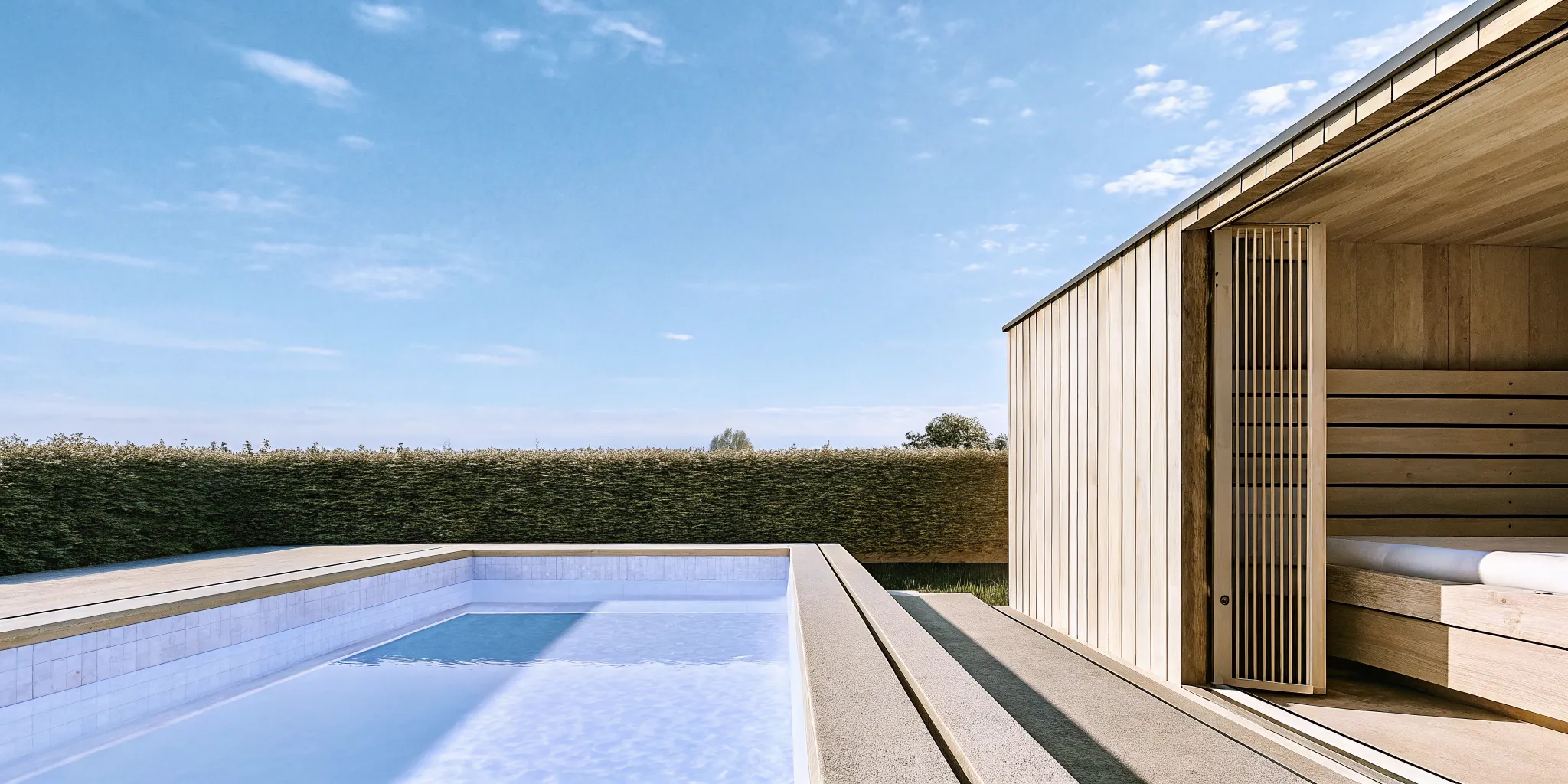
For a closer comparison, read Altea Active’s guide to the benefits of steam rooms and saunas.
How does a cold plunge fit into recovery?
A cold plunge fits into recovery as a brief, controlled exposure to cold water. It can feel invigorating and may help reduce the perception of soreness after demanding exercise. Because colder and longer are not always better, beginners should prioritize calm breathing, conservative exposure and a gradual approach.
Cold-water immersion is one of the most recognizable recovery methods, but context matters. Evidence suggests it can help with perceived soreness after some types of exercise. However, frequent cold-water immersion immediately after resistance training may not align with every strength or muscle-building goal. That is why a thoughtful routine considers both how you feel today and what you are training for over time.
Protocols in research are not a prescription for every member. Water temperature, immersion depth and time all change the dose, so a shorter session in colder water can be more demanding than a longer session at a milder temperature. Ask Altea Active staff about the specific cold plunge and begin below your tolerance, not at the maximum available setting.
A sensible first cold-plunge session
- Ask staff how the amenity is intended to be used.
- Enter slowly and keep your first exposure brief.
- Focus on steady breathing rather than chasing a time target.
- Exit immediately if you feel faint, numb or distressed.
- Warm up gradually afterward.
Never treat cold exposure as a competition. People with cardiovascular conditions, circulation concerns or other health risks should seek medical guidance before using a cold plunge. Altea Active’s cold plunge therapy guide offers more detail for anyone considering their first session.
Compression boots make passive recovery practical
Compression boots use inflatable chambers that rhythmically squeeze and release around the legs. The experience is passive: you sit back while the system cycles through different sections. That makes compression especially convenient after lower-body training, a long day on your feet or travel.
Compression is a useful example of why the recovery environment matters. The equipment may be sophisticated, but the member experience should remain simple. Clear setup guidance, a clean lounge and comfortable seating remove friction and let the session feel like a purposeful pause.
What compression can and cannot do
Intermittent pneumatic compression may support circulation and can feel relieving when the legs are tired. Sequential air chambers work from one part of the leg to the next, creating a different experience from a static compression garment. Evidence for post-exercise outcomes varies by protocol, so the most reliable reason to choose it is that a comfortable session helps you create a repeatable recovery window. It is not a shortcut around sensible training loads, hydration, nutrition or sleep. Treat it as one part of a complete recovery plan.
Pressure should feel firm but comfortable, never painful. Ask for help with fit and settings before your first session. Avoid compression if a healthcare professional has advised against it, particularly where blood clots, vascular conditions or certain injuries are a concern.
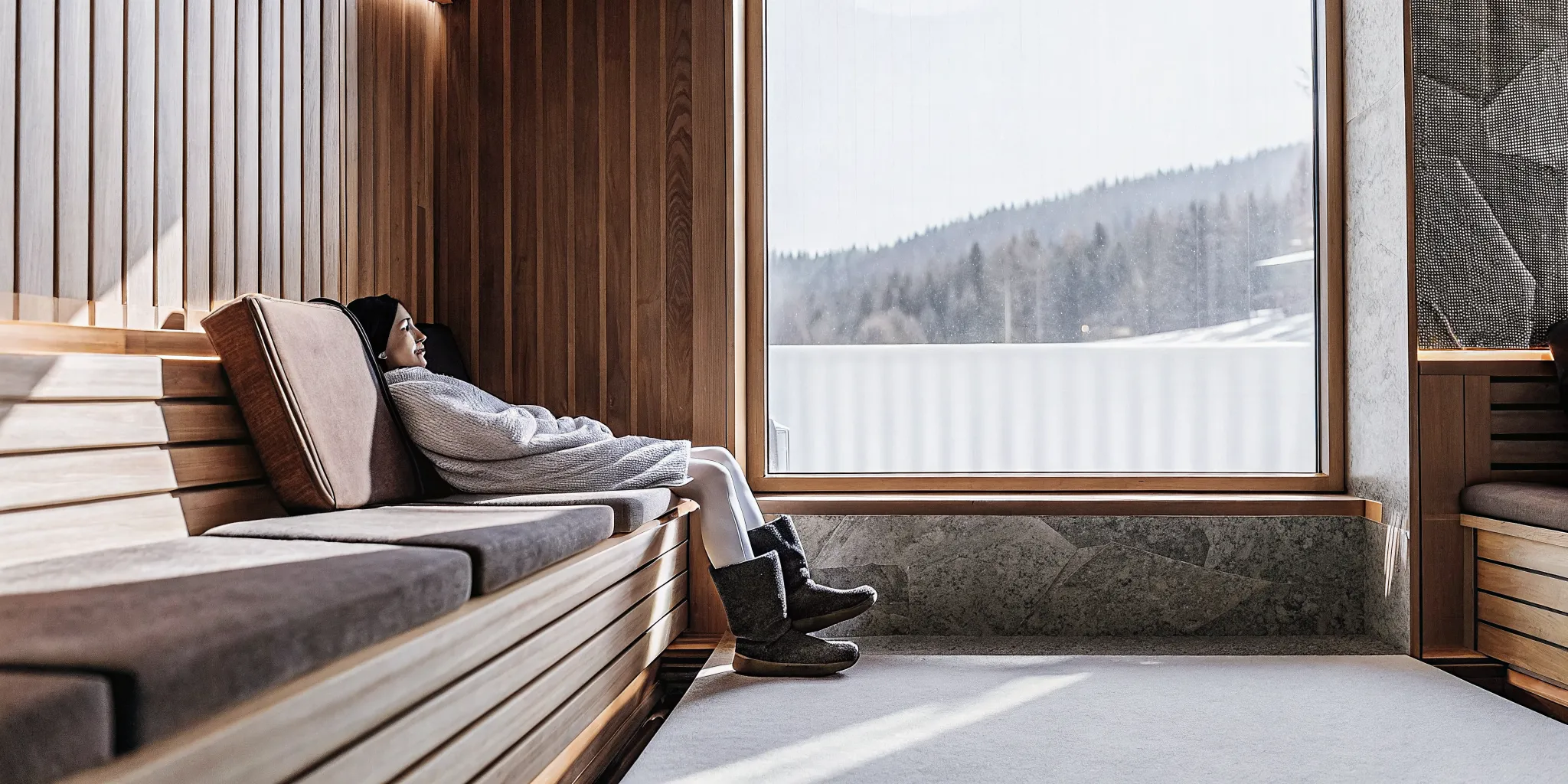
Discover Altea Active Winnipeg’s recovery experience and find a recovery routine that fits the way you train.
What should you know about red light therapy?
Red light therapy uses specific wavelengths of visible red and near-infrared light in a non-invasive session. Research is still developing, and results depend on the device, dose and intended use. It is best viewed as a complementary wellness option rather than a replacement for sleep, nutrition, rehabilitation or medical treatment.
Red light therapy, also called photobiomodulation, is increasingly common in wellness settings because a session requires little physical effort. Unlike a sauna or cold plunge, it does not rely on a dramatic temperature change. Members can use the time as a quiet reset while following the equipment’s instructions.
Set practical expectations
The phrase “red light therapy” covers devices with different wavelengths, output levels and treatment areas, so broad promises should be treated cautiously. Published studies often use tightly defined wavelengths, irradiance and exposure schedules. Those details mean results from one device or protocol should not be generalized to every red light session. Follow the club’s operating guidance, use eye protection when instructed and ask staff if you are unsure how to position yourself.
People with light-sensitive conditions or medications should consult a qualified healthcare professional first. Consistency and appropriate use matter more than extending a session beyond the recommended time.
How to compare recovery amenities at a gym
To compare gym recovery amenities, look beyond the equipment list. Assess whether the club offers varied modalities, clear guidance, clean and comfortable spaces, convenient booking and membership access that matches how often you plan to recover. The strongest option is the one you can use safely and consistently.
| Amenity | Experience | When it may fit | What to check |
|---|---|---|---|
| Sauna or steam | Passive heat | Restorative cooldown | Comfort, hydration and time limits |
| Cold plunge | Brief cold-water immersion | Invigorating post-workout routine | Temperature, guidance and safe entry |
| Compression boots | Rhythmic pressure around the legs | After lower-body work or travel | Fit, pressure settings and cleanliness |
| Red light therapy | Non-invasive light session | Low-effort wellness routine | Device instructions and eye protection |
Evaluate the complete member experience
Equipment quality is important, but so are the details around it. Can staff explain how to begin? Is the space maintained carefully? Can you book a session without complicating your schedule? Does your membership provide the level of access you expect?
Compare friction as carefully as features. A long equipment list has little value if booking is difficult, the recovery area feels disconnected from training or the membership access does not match your routine. Altea Active’s integrated approach matters because members can pair a class, strength session or coaching appointment with restoration in the same visit.
Club details and amenity access can vary by location and membership. Review the relevant club information before planning your routine. For example, you can explore Toronto member benefits, Ottawa recovery amenities, or the recovery experience at Altea Vancouver. The broader Altea Active wellness offering provides an overview of what is available across all locations.
Why integrated recovery makes consistency easier
A recovery routine is more likely to last when it is connected to habits you already have. Finishing a workout and moving directly into a sauna, cold plunge or recovery lounge removes the travel, separate booking and extra membership that often turn good intentions into occasional visits.
That convenience is central to Altea Active’s integrated model. One membership can connect training, boutique classes, personalized support, recovery and community in a single environment. For members who want expert guidance, Altea’s personal training programs can help build a program that integrates recovery protocol guidance alongside workout programming. Instead of treating recovery as a reward for perfect performance, members can make it a normal part of showing up.
Build a simple weekly rhythm
You do not need to use every modality after every workout. Start with one recovery window each week and choose the amenity that best fits the session. After a few weeks, consider whether it improves your experience, supports consistency and feels sustainable. Adjust from there.
The best recovery routine is not the most elaborate. It is the one that helps you return to training with confidence while respecting your body, goals and health needs.
Tracking a few simple signals can keep the routine useful. Notice your energy, soreness, sleep quality and willingness to train again. These observations will not replace professional assessment, but they can help you discuss patterns with a coach and avoid using recovery amenities simply out of habit.
Frequently asked questions about gym recovery amenities
What is the best equipment for muscle recovery at the gym?
There is no single best option for everyone. Sauna, cold plunge, compression boots and red light therapy create different experiences. Choose based on your training goal, preferences, health considerations and the guidance available at your club.
Should I use recovery amenities before or after a workout?
It depends on the amenity and your goal. Many people use heat, cold or compression after training, while some prefer a separate recovery day. Ask a coach or qualified healthcare professional for guidance that reflects your program and health history.
How often should I use gym recovery amenities?
Begin conservatively and follow the equipment guidance. Frequency depends on the modality, your comfort and your training schedule. Regular, appropriate sessions are generally more practical than occasional extreme ones.
Do Altea Active locations offer the same recovery amenities?
Amenities and membership access can vary by club. Check your location’s current offering and membership details before visiting or booking a recovery session.
Make recovery part of your Altea Active routine
Training creates the stimulus. A thoughtful recovery routine helps you keep returning with purpose. By choosing amenities that match your goals and placing them inside the same club experience, you can spend less time coordinating wellness and more time living it.
Explore Altea Active wellness and recovery amenities and find the club experience that can elevate your everyday.