
.
Most busy people struggle to choose between the deep stretch of yoga and the core control of pilates. These methods share common ground but offer very different results for your health.
The main difference in yoga vs pilates is the core focus: yoga blends breathwork with fluid postures to build mental clarity and full-body flexibility. While Pilates uses controlled, repetitive movements to target core stability, alignment, and muscle endurance. Both practices are excellent for stress relief and can be experienced under one membership at Altea Active.
Comparing these methods requires a look at the core ideas that guide each class. You must understand how tradition and science help you find the best fit before we explore Yoga vs Pilates: What Are the Core Movement Philosophies? The journey begins with.
Yoga vs Pilates: What Are the Core Movement Philosophies?
Yoga and Pilates share a goal of better health but start from different points. Yoga is a holistic way to join the body and mind through breath and flow. Pilates is a structured method that builds strength from the core out. Both ways offer deep gains for your fitness and life.
The ancient roots of yoga
Yoga started in India more than 5,000 years ago. Early notes of it appear in the Vedas, which are ancient Hindu texts. This practice looks at the whole person. It joins physical poses with breath and focus to create balance. This holistic approach makes it more than just a workout. Most people use yoga to help their total health. In fact, about 94% of people who use yoga do so to improve their wellness. It is a way to find peace in a busy world while you keep your body fit.
Studies show that yoga can help with balance and lower stress. At Altea, we offer Altea Toronto’s yoga classes alongside many group fitness classes that focus on these goals. You can find many styles in our studios. Vinyasa uses a quick flow to build heat. Hatha is slower and focuses on the basics. Yin and Restorative styles help you relax and stretch. These classes help you find a calm mind while you move your body and grow strong.
The core focus of pilates
Joseph Pilates started his method at the end of World War I. He wanted to help people heal and grow strong after they were hurt. He called his work “Contrology.” This name shows how much he valued control and focus. The system focuses on the “powerhouse.” This is the set of muscles in your core that hold your body up. It includes your abs, lower back, and hips. Pilates uses slow and exact moves to build a stable base. This makes it a great choice for those who want to move with intent.
Experts at the Mayo Clinic note that Pilates makes your core muscles strong. This leads to better posture and less back pain. It also helps with how you move and use your body every day. If you want to try this method, Altea Toronto’s Pilates studio offers state-of-the-art equipment, and a reformer pilates studio is a great place to start. The machines use springs and pulleys to add tension. This gives a smooth way to build lean muscle and range of motion. You can feel the work in every move you make.
Key movement differences
Yoga moves often flow from one pose to the next in a smooth path. You use your own weight to build strength and stretch your limbs. It is a soft but deep way to find peace and grow more limber. Pilates uses more tools and exact reps to target specific spots. It builds a firm core to support your spine and keep you upright. Both ways help you move better and feel more agile. They fit well together for a full fitness plan that covers both mind and body.
Flexibility vs Core Strength: How Do the Physical Benefits Compare?
When you look at yoga vs pilates, the body gains often fall into two groups. Yoga mostly helps you get limber. It opens up your joints and gives you a deep range of motion. Pilates works from the center out. It builds a strong base for your body. Both paths make you stronger, but they do it in their own ways.
Yoga for balance and range of motion
Yoga is a top choice if you want to move with more ease. The practice uses long holds and flows to stretch your muscles. This helps keep your joints healthy and your body fluid. It is not just about being limber, though. Yoga also builds steady strength through your whole frame as you hold hard poses.
Experts at the National Institutes of Health find that yoga helps with balance and stress. It is a safe way to gain better control of your body. Most people who practice yoga say they do it to help their overall wellness. At Altea Active, our group fitness classes cover many styles like Hatha and Vinyasa to meet your needs.
Pilates for a strong powerhouse
Pilates focuses on what many call the powerhouse. This includes your deep core, back, and hip muscles. The goal is to create a stable center that supports every move you make. It helps you stand taller and sit with better form. A strong core is the key to moving well in daily life without pain.
Research from the Mayo Clinic shows that Pilates builds core strength. This improves your posture and balance. It can also help stop back pain and keep you safe from harm. Studies also show that it can reduce pain for people with health issues like scoliosis. Many members use Reformer Pilates to work on these deep muscles with more focus.
Safe training at Altea Active
Starting a new routine can feel like a big step. You want to make sure your form is right to avoid aches or strains. This is why we offer personal training at our clubs in cities like Toronto and Vancouver. Our pros help you learn the best way to move for your own body type.
They guide you through each pose or move so you get the most out of your time. You can learn how to use the machines or move on the mat with care. Whether you want to be more limber or build a rock-solid core, we have the tools to help. You can even mix both styles to get the best of both worlds. Our studios give you a calm and premium space for your growth and health.
Reformer vs Mat Workouts: What Equipment and Studio Formats Can You Expect?
Choosing between a mat and a machine depends on your goals and how you like to move. Both styles offer deep work for your body, but the tools you use change the feel of each class. Whether you want to flow on the floor or use spring-based tension, knowing what to expect helps you pick the right fit. Each format has its own perks and focus areas for your health and growth.
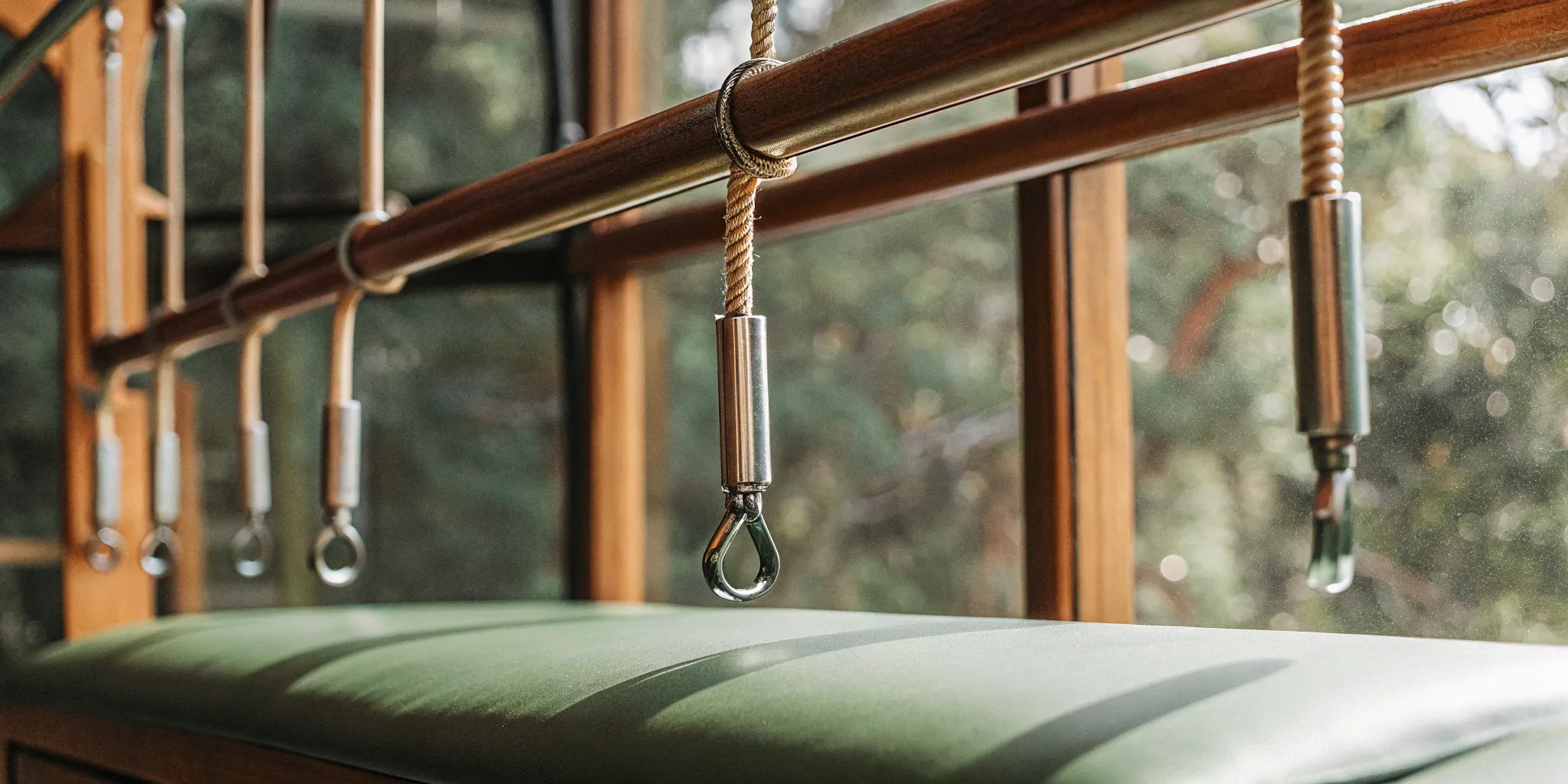
The Basics of Mat and Reformer Gear
Mat classes rely on your own body weight and the floor to create a challenge for your core. In our Fusion Studio, you use a simple mat along with props like foam blocks or straps. These tools help you reach further or keep the right form during a long hold or pose. This format is great for those who want to master the basics of moves and alignment.
The Pilates Reformer is a custom machine that uses a sliding carriage and springs for tension. This setup adds extra push to every move to build more power in your muscles. Our reformer Pilates classes at Altea use these machines to deliver a full-body workout. It is a top choice for reformer pilates for beginners because the machine helps guide your path. The pulleys and springs make sure you move with total control through the whole range of motion. You can change the spring count to make the work harder or easier as you gain skill.
As the Mayo Clinic notes, Pilates strengthens core muscles like the abs and spine. This focus helps improve your posture and balance while also preventing injury or back pain. While mat work is hard, the Reformer adds a new level of load for your arms and legs. Both ways lead to a stronger and more lean frame over time as you stick with the routine.
Altea Studio Formats and Rules
We offer a boutique feel with modern gear in every class to help you reach your best. At Altea Active, Reformer Pilates is part of the Diamond membership plan for all our members. If you have a Gold or Platinum plan, you can still join by buying an extra class pack. This lets you choose the level of access that fits your life and budget best each month.
To keep our studios safe and clean, we have a few simple rules for all people who visit. You must wear anti-slip socks in every Reformer session to stay firm on the machine. We also use an 8-hour rule for class sign-ups and drops to keep things fair. If you cannot make it, please cancel at least eight hours early so another person can take your spot in the room.
Hot Yoga and Specialized Heat
For those who love to sweat, our Hot Yoga classes provide a unique and warm space. We keep the heat at 104 to 105 degrees with about 40 to 45 percent moist air. This warm air helps your muscles relax and lets you dive deeper into each stretch or pose. It is a great way to let go of daily stress and find peace in a busy week.
The high heat also helps with blood flow and clearing out toxins from your skin and body. In our Fusion Studio, you can try styles like Hatha, Yin, Power, and Flow Yoga to build new skills. These classes help relieve muscle tension and make your joints feel loose and healthy. The NIH notes that yoga improves strength and balance while helping the mind stay calm. It is a full-body approach to health that fits well with any gym routine or sports goal.
| Format. | Primary Equipment. | Typical Temperature. | Core Target. | Breathing Style. |
|---|---|---|---|---|
| Mat Pilates. | Foam Mat, Blocks. | Room Temp. | Core and Alignment. | Lateral Rib. |
| Reformer Pilates. | Reformer Machine. | Room Temp. | Core and Resistance. | Lateral Rib. |
| Hot Yoga. | Mat, Straps, Blocks. | 104-105F. | Detox and Flex. | Nose and Controlled. |
| Vinyasa Yoga. | Mat and Props. | Room Temp. | Flow and Breath. | Diaphragmatic. |
Mind-Body Connection: How Do Yoga and Pilates Train Your Focus and Breathing?
The mental side of fitness is just as vital as the body work. Both practices build a strong link between the mind and body. But they use different tools to get there. The primary contrast in the yoga vs pilates debate is the breath. You use it to steady your thoughts and fuel your moves.
Learning the art of belly breathing in yoga
In yoga, the breath is the path between the body pose and the mind. Most classes teach pranayama, or deep belly breathing. You inhale through your nose and let your belly grow. This helps calm the nerves. The slow, deep rhythm is why many people use yoga to curb stress and find mental clarity.
The NCCIH notes that yoga can reduce signs of worry. This focus on the breath helps you stay present during a long hold or a fast flow. About 94% of people who do yoga say it boosts their full health. At Altea Active, our Fusion Studio offers hot yoga classes. The heat in these rooms stays at 104 degrees to help with cleansing and blood flow. This setting helps you focus on each breath as you work through muscle tightness.
Building core power through lateral breathing in pilates
Pilates takes a different path by using lateral chest breathing. You keep your core tight and breathe into your ribcage. This method guards your spine and keeps your muscles at work. It takes a lot of focus to keep this core tight while moving your limbs with control. This deep work is what helps Pilates boost posture and balance.
Research from the Mayo Clinic shows that Pilates strengthens the core to ease back pain. It also helps you avoid new injuries. Many members find that our reformer pilates for beginners classes are the best way to learn this skill. The unique tools guide your body. It lets you focus on the small details of your pose and breath. You learn to move with a grace that comes from a calm, focused mind.
Premium spaces designed for deep focus
The setting where you train plays a huge role in your mental state. A loud, crowded gym floor is rarely the best place to find your center. Altea Active designs every studio to be a safe space for your mind. Our Fusion and LF3 studios use soft lighting and clean air to create a calm mood. We use high-end tools to ensure your time here is peaceful and private.
These high-end spaces help you block out the noise of daily life. When you start a class, the goal is to leave your stress at the door. You might choose a fast Power Yoga flow or a precise Pilates mat class. Either way, the focus stays on your growth. Our group fitness classes provide the expert coaching you need to stay on track. By training your mind to stay calm while your body works hard, you build a mental strength that carries over into all you do.
Is Yoga or Pilates Better for Your Personal Fitness Goals?
Identify Your Main Goals
Choosing between yoga vs pilates depends on what you want to reach. Both offer great ways to get fit, but they work in different ways. Pilates focuses on your core power. It uses exact moves to build abdominal and spinal strength. Research shows that Pilates improves balance and posture (Mayo Clinic). It is also a top choice to help ease back pain and stop new hurts. If you want a strong center and better body control, this may be your best path.
Yoga takes a broader path to health. It mixes physical poses with breath work to help the whole self. Many people use it to get limber and find peace of mind. Studies show that yoga improves strength and balance while helping the mind stay calm (NCCIH). It is a great way to cut stress and build a lean body. If you want to feel more at peace while you stretch, yoga is a win for your routine.
The Altea Class Style
At Altea, we give you the space to try both styles in a high-end setting. Our group fitness classes cover many needs. You can join a Hatha or Vinyasa class in our Fusion Studio for a deep flow. We also offer Hot Yoga in a room set to 104 degrees. This heat helps your blood flow and relaxes tight muscles. It is a great way to cleanse your body after a long day.
Our Pilates fans use special tools to tone their bodies. Whether you choose the mat or a machine, the goal is the same. You will learn to move with grace and power. Working with a coach can help you find which path fits your body best today. We make sure every class feels friendly and helps you reach your best self. You will find that both styles can play a part in a healthy life.
Steps to Finding Your Best Fit
Finding the right fit for your day does not have to be hard. You just need to listen to what your body needs right now. Some days you may want the quiet focus of a mat. Other days you might need the tough core work of a machine class. Use the steps below to help you make the best choice for your health.
- Check your fitness needs. Think about if you need more core strength to protect your back or more room to move your joints.
- Look at your stress level. If you need to calm a busy mind, the breath-led flow of yoga may be the best fit for your mood.
- Talk to a club coach. Speak to an expert at Altea to see which class matches your current skill level and health.
- Try a few basic classes. Start with a simple mat class in both styles to see how your muscles and mind feel after the work.
- Make a mixed plan. You do not have to choose just one. Many members do both to get the unique perks that each method offers.
Both methods offer huge gains for your health. Yoga helps your mind and joints stay loose and calm. Pilates builds a strong center that supports every other move you make. By trying both, you create a full plan that keeps you strong and well for a long time. With a single Altea membership, you get access to a full schedule of 400+ weekly classes spanning both disciplines. Our studios provide the perfect spot to grow, learn, and feel your best every single day.
Frequently Asked Questions
How often should I practice yoga vs pilates to see results?
Showing up is key for both workouts. Most experts suggest training two or three times each week to see results. This helps improve strength and how you move in a few weeks. At Altea Active, a Diamond membership includes Reformer Pilates. You can mix core work with yoga flows to help your body and mind recover.
Which is better for improving core strength and posture?
Both choices build balance, but Pilates targets your core muscles. According to the Mayo Clinic, Pilates makes your core and spine stronger. This improves your posture and how you move. This focus on your body’s form makes it a great choice for back pain. It also helps you avoid new injuries through slow and exact moves.
Can yoga or pilates help reduce anxiety and stress?
Both practices offer great mental health benefits. Yoga is well known for its focus on calm breathing. The NCCIH states that a regular yoga practice can lower anxiety. It also helps to ease muscle tension. Many people use yoga for wellness. It uses a mind-body link to handle daily stress and build mental strength through slow and steady moves.
Do I need to bring my own equipment to a pilates class at Altea?
Altea Active gives you the gear for mat and reformer classes. This includes mats, blocks, and straps. If you attend a Reformer Pilates session, you must wear anti-slip socks. This is for your safety and health. Also, keep in mind our eight-hour rule for canceling these classes. This helps every member get a spot in the studio.
Ready to find your perfect fitness path?
Putting off your choice between yoga and Pilates only delays the results you want and leaves you feeling stiff or lacking core strength. You do not have to join many different clubs to get these perks, because starting now helps you build balance and focus in our space. Our expert team helps you pick the right fitness class so you can see how our boutique studios fit your life by visiting this week. Each day you wait is another day without the support of an expert group that wants to see you reach your wellness goals today.
Ready to find your perfect fitness path? Schedule a free club tour and see our boutique studios firsthand to talk to a coach.