
Corporate Wellness Programs Canada: A Strategy for High-Performing Teams
Employee wellness benefits often look impressive on paper yet go unused in practice. The difference is rarely another app or one-off challenge. High-performing teams need convenient ways to move, recover, and connect that fit the realities of the working week. The most effective corporate wellness programs Canada employers can offer combine accessible fitness, meaningful recovery, community, and accountable program management in one coherent experience.
Talk with Altea about building a premium wellness experience your team will actually use.
For HR and business leaders, the strategic question is not simply whether to fund wellness. It is how to design a benefit that earns sustained participation, supports different employee needs, and reinforces the culture the organization wants to build. This guide provides a practical framework for evaluating options and explains where an integrated fitness and wellness partner can create more value than a collection of disconnected perks.
What should corporate wellness programs in Canada include?
An effective workplace wellness program gives employees practical, repeatable access to physical activity, recovery, social connection, and personalized support. It should also be easy to use, inclusive of different starting points, and measurable against clear business and employee-experience goals.
The Canadian Centre for Occupational Health and Safety describes workplace health and wellness programs as initiatives that support the health of employees and their families. That broad definition matters. A credible program should complement, not replace, occupational health and safety duties or clinical care. Its role is to make healthier routines easier to sustain.
Five components of a high-value program
- Flexible fitness access: Employees can choose among strength training, group classes, aquatics, mobility, and lower-intensity options rather than follow a single prescribed format.
- Recovery resources: Spaces and programming support restoration, stress management, and readiness for the next workday.
- Community: Shared classes, events, and welcoming social spaces turn an individual benefit into a cultural asset.
- Convenience: One destination and one membership remove the friction of coordinating several providers.
- Engagement support: Orientation, coaching, communications, and relevant challenges help employees convert access into a habit.
Altea brings these elements together in a premium fitness and wellness ecosystem. Employees can explore a broad mix of experiences, from boutique-style classes and Reformer Pilates to personal training and wellness amenities, without piecing together several separate memberships.
Why do workplace wellness benefits go unused?
Wellness benefits lose momentum when they create too much friction, serve only one type of employee, or launch without an engagement plan. An annual allowance may offer choice, but it also asks every employee to research providers, assess quality, and build a routine alone. A standalone digital benefit can be convenient while doing little to create in-person connection.
Participation is a design outcome
Leaders should treat utilization as a design question rather than an employee motivation problem. If a program requires extra travel, offers inconvenient class times, or feels intimidating to beginners, participation will naturally narrow. The same is true when employees do not understand what is available or how the benefit fits into their workday.
A strong launch therefore includes clear eligibility, simple enrollment, an orientation pathway, and recurring communications that show employees different ways to participate. The goal is not to push everyone into the same workout. It is to give each person a credible next step.
Variety supports inclusion
A diverse workforce has diverse needs. One employee may value structured strength coaching, another may prefer yoga or swimming, and another may begin with mobility and recovery. An integrated partner gives employers a broader platform without forcing HR to manage a long list of niche vendors. Altea’s member benefits illustrate how fitness, wellness, and community can coexist within one experience.
How does recovery support a high-performing team?
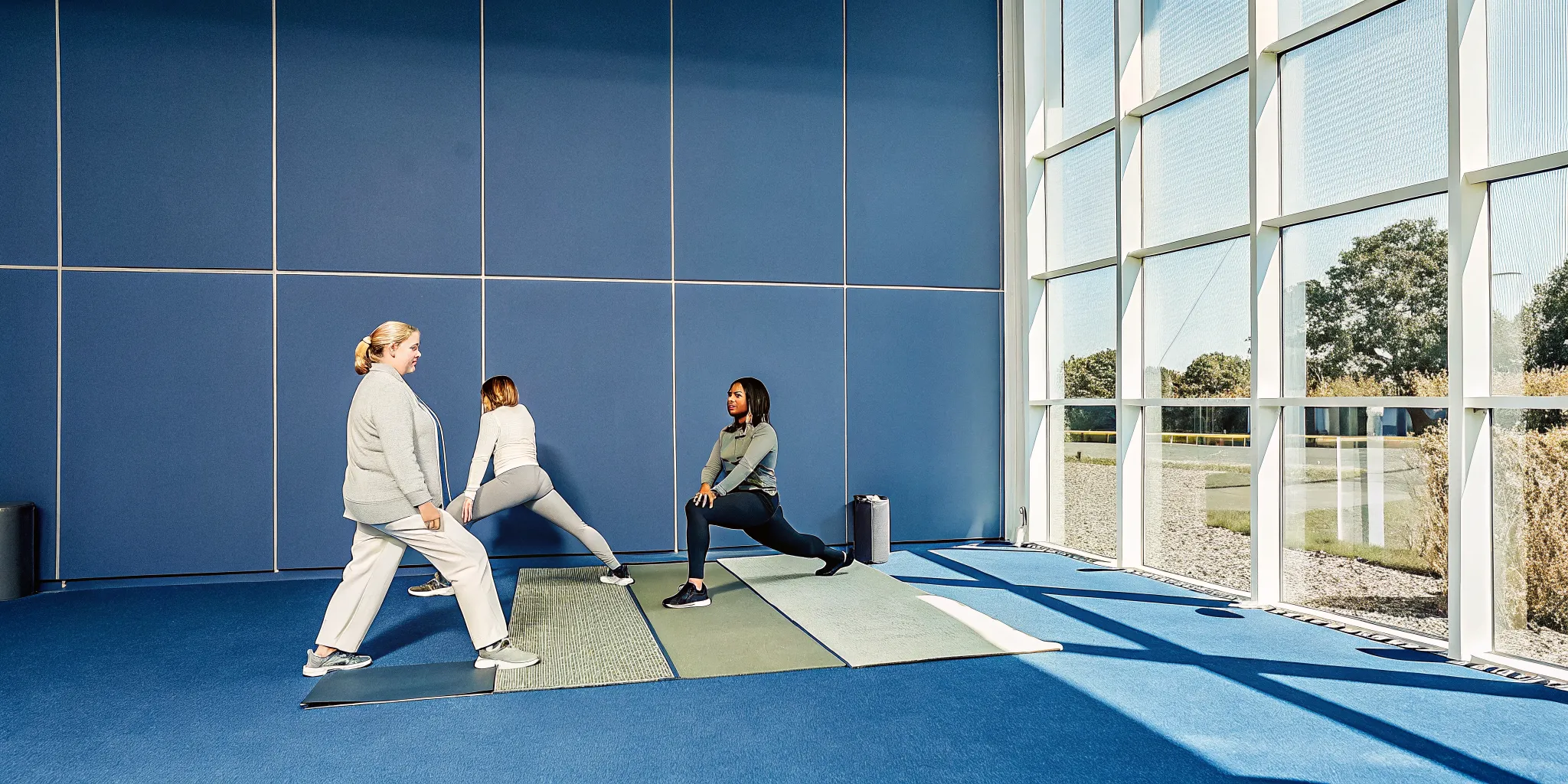
Recovery helps employees manage the physical and mental demands that accumulate between periods of effort. In a workplace strategy, it is the counterpart to movement: an acknowledgement that sustainable performance depends on the ability to reset, not only the ability to push harder.
Move beyond workout-only thinking
A fitness discount can be useful, but it addresses only one part of the employee experience. A more complete approach gives people ways to regulate intensity. Employees may choose a challenging class on one day, a mobility session on another, and quiet recovery time when their schedule or energy demands it.
Altea’s integrated model makes that range easier to access under one membership. Its broader wellness offering supports a balanced view of health, while location-specific amenities give employees options based on what is available at their club.
Set responsible expectations
Employers should position recovery benefits carefully. They can support healthy routines and employee experience, but they are not a substitute for manageable workloads, psychologically safe leadership, healthcare, or formal accommodations. This distinction protects credibility. It also helps employees understand how to use the program as one part of a wider wellbeing strategy.
How can community turn a benefit into a habit?
Community creates the social reinforcement that helps a wellness benefit remain visible and relevant after launch. When colleagues can attend a class, join an event, or share a positive routine, the program becomes part of how people connect rather than another item in the benefits portal.
Design for optional connection
Shared participation should always be invitational. Some employees enjoy a team challenge, while others prefer to exercise independently. An inclusive program creates several paths: organized group experiences, informal peer participation, and private individual use. The common thread is access to a welcoming environment.
Premium facilities can also change the perceived value of the benefit. Rather than offering a narrow discount, an employer gives the team access to a place built for movement, recovery, and social connection. The on-site fitness class guide explains another model for bringing shared activity closer to employees.
Use moments that matter
HR teams can plan engagement around predictable moments: a new-hire orientation, the start of a busy season, a leadership off-site, or a return-to-office initiative. These moments give the benefit context. They also make communications more useful than a generic monthly reminder.
Book an Altea club tour to see how fitness, recovery, and community can work together for your team.
How to build a corporate wellness program employees use
Build the program around employee needs, operational simplicity, and a defined participation plan. The following process gives HR leaders enough structure to make a sound decision without overengineering the benefit.
- Define the business and employee need. Clarify whether the priority is recruitment, retention, connection, healthy routines, or a combination of outcomes.
- Listen before selecting. Use a short survey or listening sessions to understand preferred activities, barriers, locations, schedules, and comfort levels.
- Evaluate the full experience. Assess variety, quality, recovery, accessibility, onboarding, and the effort required from HR to administer the program.
- Plan the launch. Create a simple enrollment path, manager communications, orientation options, and a first 90-day engagement calendar.
- Measure and improve. Review utilization, repeat participation, employee feedback, and administrative workload, then adjust the program.
Compare partners against the same criteria
| Evaluation area | Question for the partner | Evidence to request |
|---|---|---|
| Employee fit | Can different experience levels find a suitable entry point? | Program mix, orientation process, and accessibility details |
| Convenience | How easy is enrollment and ongoing use? | Enrollment steps, location information, and class access |
| Engagement | What helps employees participate after launch? | Communication support, events, coaching, and reporting options |
| Quality | How is the member experience maintained? | Facility tour, instructor standards, and service model |
| Measurement | What can HR learn without compromising privacy? | Aggregate utilization and feedback approach |
Make the experience tangible
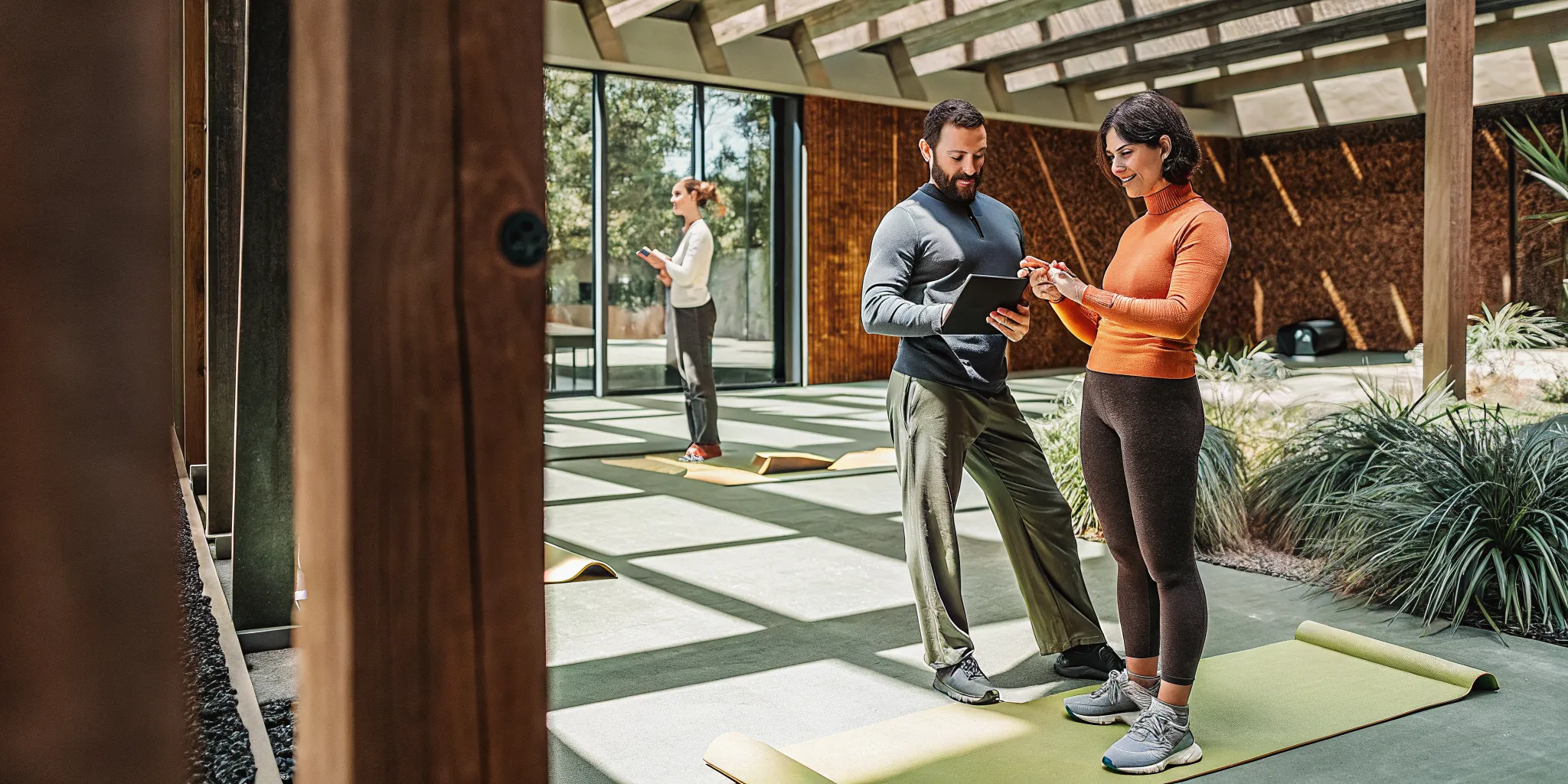
Before committing, visit the environment employees will use. A facility tour can reveal whether the experience feels welcoming, whether the mix of spaces matches employee needs, and whether the partner’s service standards align with your employer brand. Explore Altea’s Toronto club, Ottawa club, or contact the team to discuss the most relevant market.
How should employers measure wellness program success?
Measure success through sustained participation, employee sentiment, administrative simplicity, and progress toward the program’s stated purpose. Avoid reducing the program to a single utilization number or promising a direct financial return that the available data cannot support.
Use a balanced scorecard
- Reach: The share of eligible employees who enroll or participate at least once.
- Consistency: Repeat participation over time rather than launch-week activity alone.
- Experience: Employee feedback on convenience, variety, belonging, and perceived value.
- Equity: Whether different employee groups can access and use the benefit.
- Administration: The time HR spends managing enrollment, vendors, and employee questions.
Review the scorecard at 30, 90, and 180 days. Early feedback can identify practical barriers, while longer-term patterns show whether the program is becoming part of employees’ routines. Discuss privacy and reporting expectations with the partner at the outset, and focus employer reporting on aggregate patterns rather than individual activity.
Why consider Altea as a corporate wellness partner?
Altea offers teams an integrated premium environment where fitness, recovery, personalized support, and community exist under one membership. That breadth can reduce vendor fragmentation for employers while giving employees the freedom to choose experiences that fit their goals and schedules.
For decision-makers, the value is not simply access to equipment. It is the ability to offer a coherent experience that feels consistent with a high-performing employer brand. Employees can move between boutique-style programming, independent training, personal support, and restorative amenities within a welcoming club community. Those interested in more individualized guidance can also explore personal training in Toronto.
Questions to bring to an Altea conversation
- Which club locations and experiences best match our employee population?
- How can we introduce the benefit to employees with different fitness backgrounds?
- What engagement support is available during launch and beyond?
- How should we define and review success while respecting employee privacy?
What does a strong 90-day launch plan look like?
A strong 90-day launch moves from awareness to supported trial and then to repeat participation. Employers should avoid treating launch day as the finish line. The first three months are an opportunity to learn which messages, activities, and access points work for the team.
Days 1 to 30: Make access clear
Begin with a concise explanation of why the organization selected the benefit, who is eligible, and how employees can get started. Give employees a simple orientation to the range of options rather than promoting only the most visible classes. Leaders can participate and communicate support, but participation should remain voluntary. Capture early questions so HR and the wellness partner can improve instructions quickly.
Days 31 to 60: Encourage exploration
Once enrollment is underway, introduce employees to different parts of the experience. A beginner-friendly class, a recovery-focused session, and an optional social activity can show that wellness is broader than intense exercise. This phase is also the right time to ask non-participants about barriers. Their feedback may reveal schedule, location, awareness, or confidence issues that would not appear in utilization data.
Days 61 to 90: Build repeatable routines
At the end of the first quarter, review aggregate enrollment, repeat participation, employee sentiment, and HR’s administrative experience. Identify which touchpoints created sustained engagement, then build those into the next quarter. Share useful opportunities without exposing individual activity or implying that participation affects performance assessment. A credible program respects privacy while making healthy choices visible and easy.
This phased approach gives decision-makers a better basis for evaluating the partnership. It also signals to employees that wellness is a considered, long-term benefit rather than a short-lived campaign.
Frequently asked questions
What is a corporate wellness program?
A corporate wellness program is an employer-supported initiative that helps employees build healthier routines and access wellbeing resources. Programs may include fitness, recovery, education, social connection, and personalized support. They should complement occupational health and safety responsibilities rather than replace them.
What makes a wellness program effective?
An effective program is relevant, convenient, inclusive, and supported after launch. Employees need options that fit different goals and starting points, while HR needs simple administration and a clear way to assess participation and employee experience.
How can employers improve wellness program participation?
Employers can improve participation by listening to employees before selecting a benefit, simplifying enrollment, providing an orientation, offering several ways to engage, and communicating at moments when the program is relevant. Repeat participation is a more useful signal than launch-week enrollment alone.
What should employers ask a corporate wellness partner?
Ask about program variety, accessibility, employee onboarding, engagement support, service standards, aggregate reporting, privacy, and administrative requirements. A facility tour can also help leaders evaluate whether the real employee experience aligns with the promise.
Build a wellness benefit worthy of your team
A high-performing team deserves more than a collection of disconnected perks. With the right design and partner, wellness can become a practical part of employees’ routines and a visible expression of how the organization supports its people.
Contact Altea to discuss a premium corporate wellness experience for your team.