
Walking for hours on a treadmill often yields the same fat loss results as short bursts of effort. Knowing how your body reacts to strain is the best way to see real progress.
Ready to find your perfect fitness path? Book your complimentary Altea Active club tour today to experience our premium training zones and state-of-the-art cardiovascular suites.
Altea Active helps you choose between HIIT and steady-state cardio, representing a choice between two great ways to burn fat and build a strong heart. High-intensity interval training, or HIIT, uses short bursts of hard work and quick rest to keep your body burning energy for hours. Steady-state cardio means moving at a set pace, like jogging or biking, to help you go for longer distances.
According to research published in PubMed, both methods offer the same fat loss results if you do them every week. While HIIT saves time, regular cardio is easier on your joints and helps you build heart health over time. The best plan for weight loss is to use a mix of both styles to stay safe. By using both methods, you can get the best results while enjoying all the tools in a premium fitness club.
You might wonder which method fits your daily schedule and fitness level best. Learning the facts about each style is the first step toward a better routine. The next part looks at HIIT vs Cardio: What Is the Difference? so you can pick the right path. Here is how.
HIIT vs Cardio: What Is the Difference?
Most people want to know if they should pick high intensity training or a long run. Both ways can help you get fit, but they work in other ways. At Altea Active, we help you find the best mix for your goals. Knowing the main points of each style can make your time at the club more useful. Each way uses your heart and lungs to build health, but the effort level changes how your body acts. You do not have to choose just one path to see results.
High Intensity Interval Training (HIIT)

HIIT is a fast way to work out. You do short bursts of very hard work followed by a quick rest. During the work phase, your heart rate should stay between 80 to 95 percent of your max. These parts may last a few seconds or a few minutes.
Then, you slow down to about 50 percent of your max heart rate to rest. Rest times often range from 10 seconds to one full minute. Most HIIT sessions last between 10 to 30 minutes. This makes them great for a busy day. Some plans can last up to 60 minutes if you have more time.
Our expert coaches at Altea help you keep the right form as you push your limits. We offer Toronto indoor cycling and HIIT classes and Winnipeg cycle and HIIT training that focus on these fast moves. You can join a group to stay on track and have fun. The hard work helps you build power and speed. Since these sessions are short, they fit well into a tight day. You get a lot of work done in a small amount of time.
Steady-State Cardiovascular Training
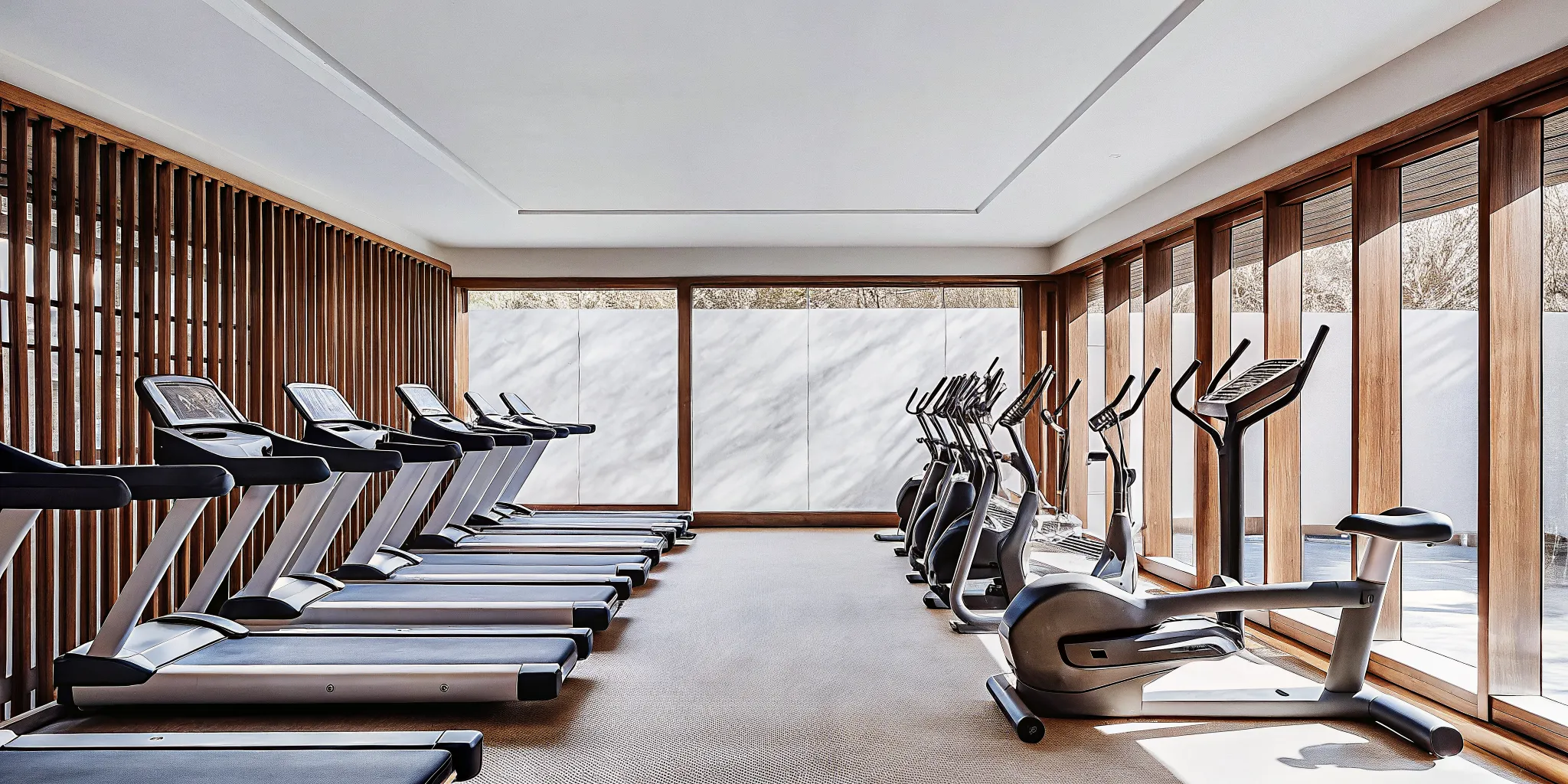
Cardio is often called steady-state work. It is a set pace that you keep up for a long time. You might go for a walk, swim, or use a bike in our cardio training area. The goal is to keep your heart rate even and steady. Health groups like the WHO suggest you get 150 minutes of this work each week to stay well. This style builds your heart strength over time without putting too much stress on your body at once.
This type of work is great for building base fitness. It helps you stay active every day and can be very calm. In our clubs, you can find many machines to help you stay at the right pace. You can watch a show or listen to music while you move. It is a low stress way to use fuel and keep your heart healthy. Many members use this time to clear their minds after a long day.
Energy Systems and Training Time
The main shift between these two is how your body gets power. HIIT uses a system that does not need much air, known as anaerobic. Cardio uses an aerobic system that relies on a steady flow of air. Research shows that both HIIT and cardio are good ways to boost your heart power. HIIT is very fast and can save you time. But cardio is easy to do for 30 to 60 minutes.
At our fitness and wellness club, you can use both to reach your goals. Mixing fast work with steady moves like hot yoga gives you a full path to health. This balance keeps your body strong and helps you avoid injury. Our club makes it easy to switch between these styles. You can do a hard HIIT class one day and a long bike ride the next. This mix keeps your routine fresh and fun.
HIIT vs Cardio for Weight Loss: Which Burns More Fat?
When you want to lose weight, both HIIT and cardio can help you reach your goals. Scientific studies show that HIIT and steady-state cardio give similar results for body fat loss. But the way each method burns fat is quite different. The best choice for you depends on how much time you have and how hard you want to work.
The power of the afterburn effect
One big plus for HIIT is the post-exercise metabolic rate. After a hard session, your body keeps burning energy to recover. This is called the afterburn effect or EPOC. Research shows that HIIT increases your metabolic rate for hours after you finish your workout. This means you burn extra calories even while you rest.
Steady-state cardio burns most of its calories while you are moving. It is great for building heart health and burning fat during the session. If you have the time, long sessions can be very helpful. However, if you are busy, you might prefer a faster option to stay on track with your fitness plan.
Choosing the best path for your goals
Both methods work well, but HIIT is a very time-efficient aerobic exercise for preventing obesity. You can get great results in just 20 minutes compared to an hour of walking or jogging. At Altea Active, we use tools like the EVOLT 360 scan to see how your body responds to different group fitness classes. This helps you build a plan that truly fits your life.
| Feature. | HIIT. | Steady-State Cardio. |
|---|---|---|
| Time Spent. | Low (10-30 mins). | High (45-60+ mins). |
| Effort Level. | High (80-95% Max HR). | Moderate (50-70% Max HR). |
| Afterburn Effect. | Significant. | Minimal. |
| Burn During Move. | High per minute. | Moderate per minute. |
| Joint Impact. | Higher. | Lower. |
| Focus. | Power and Speed. | Endurance. |
Consistency is the key to fat loss
It is important to know that short-term work does not always lead to big changes. Studies show that neither HIIT nor steady-state cardio leads to major fat loss without staying consistent. You need to stick to your routine over a long period to see real results. Pick the style you enjoy most so that you can keep showing up every week.
Cardiovascular Benefits: Building Endurance and Heart Health
Your heart is the engine of your body, and both HIIT and cardio keep it running well. High-intensity training and steady work help your blood flow better and lower health risks. While they use different paths, both styles build a strong heart and better lungs over time.
Meeting Global Health Standards
The World Health Organization says that adults need at least 150 minutes of moderate activity each week. This steady pace keeps your heart strong and helps you stay at a healthy weight. Many people choose cardio training like jogging or bike rides to meet this goal. It is a good way to boost your stamina and feel good every day.
But many people do not have two and a half hours to spare each week. For those with a busy life, HIIT can serve as a strong substitute for long cardio sessions. You can get similar heart gains in less time by pushing your pace for short bursts. This makes it easier to keep your heart healthy even when your day is full.
Improving Heart Rate and Blood Pressure
Both training styles help lower your resting heart rate and blood pressure. A lower resting heart rate means your heart does not have to work as hard to move blood. Studies show that HIIT can reduce heart rate and blood pressure in adults. This helps lower the strain on your veins and keeps your heart in top shape for years.
Steady cardio is also great for blood flow and heart health. Moving at a set pace for 30 to 45 minutes trains your heart to pump more blood with each beat. This type of work builds your cardiovascular endurance, which helps you do daily tasks without getting tired. Both methods offer a path to a long and healthy life.
Boosting Aerobic Capacity
Aerobic capacity is how well your body uses oxygen during a workout. Higher levels mean you can work harder for longer without feeling out of breath. Research found that HIIT can improve your cardiorespiratory fitness just as well as old-style cardio. This boost in oxygen use is key for sports, hiking, or just keeping up with your kids.
At Altea, we believe in a balanced plan for your heart. Mixing fast bursts with steady movement gives you the best of both worlds. Whether you prefer a fast class or a long ride, our clubs have the tools to help you build a heart that lasts. Our experts can help you find the right mix of training to reach your health goals safely.
Functional Movement: Incorporating Compound Strength into HIIT
High-intensity interval training is more than just a way to burn fuel. At Altea Active, our classes focus on functional movement. This means we use moves that mirror how your body works in real life. But rather than sitting at a weight machine, you might do squats, lunges, or pulls. These functional training workouts use many muscle groups at the same time. This helps you build a strong body that is ready for any task.
The Benefit of Compound Moves
Most cardio work focuses on one type of motion. For example, running or cycling mostly works your legs in a straight line. HIIT at Altea is different because it uses compound moves. A compound move is a drill that uses two or more joints at once. Think of a move that combines a squat with an overhead press. This type of work builds more strength than doing one small move on its own.
These big moves also help your heart. Since you use more muscles, your heart has to pump more blood to keep up. This makes your HIIT class a great way to boost your heart health. Experts have found that HIIT can improve cardiorespiratory fitness in a short time. You get the strength of a weight class and the heart benefits of cardio all in one.
Building Strength for Daily Life
The goal of functional training is to make daily life easy. Whether you are lifting a heavy box or playing with your kids, you need real-world strength. Strength and heart health are at the core of our LF3 Small Group Training and boutique classes, including Winnipeg strength and HIIT conditioning classes. We want to help you move better and feel more fit. By choosing HIIT with a strength focus on compound movements, you build a body that is strong and lean.
Compound strength also helps your metabolic rate. Muscle burns more fuel than fat, even when you are at rest. By adding strength to your HIIT, you help your body burn more energy all day long. This makes it a top choice for those who want to see lasting change. It is more than just a quick sweat; it is about building a better body.
Support Your Long-Term Health
Moving well is key to living a long and healthy life. Regular physical work is known to help prevent and manage chronic illness like heart disease or diabetes. By using functional moves in your HIIT, you protect your joints and improve your balance. This helps you stay active as you age.
At Altea, we believe there is more to health than fitness. Our ecosystem gives you the tools to work hard and recover well. You can push your limits in a HIIT class and then head to our recovery lounge. This balance of hard work and rest is the best way to see results. You do not have to choose between strength and heart health when you can have both.
Proper Form and Safety in High-Intensity Workouts
High-intensity workouts offer fast results, but they also bring big physical demands. When you look at hiit vs cardio, the quick moves and heavy loads in fast sessions make your body work hard. This makes good form a key part of staying safe and seeing real progress. Poor form can lead to joint pain or muscle strains that keep you away from the fitness and wellness club.
The role of expert coaching
Many people find it hard to track their own form during a fast set. Expert coaches provide the watchful eye needed to catch small slips before they cause an injury. This help is vital when you do functional training workouts that use complex moves. Expert help ensures you move with care and keep your spine and joints in the right spot.
Protecting your heart health
Safe training is about more than just your muscles. For most adults, regular aerobic exercise is a top goal for heart health. While fast bursts can improve your fitness, you should do them with care. Staying in safe heart rate zones helps you get the gains of work without overtaxing your system. Proper safety steps ensure your heart stays strong as you build power.
Steps to safely start high-intensity training
- Start with a roadmap session. Work with a personal trainer to set your goals and check your fitness level before you start.
- Learn the basic moves. Learn how to squat and push with no weight to build a strong base for faster work.
- Listen to your body. Stop if you feel sharp pain or a loss of control, as bad form often leads to injury.
- Focus on full recovery. Give your muscles time to heal between work so you can come back strong and ready to move.
- Join group fitness classes. Joining group fitness classes gives you access to coaches who can fix your form in real time.
Finding Your Perfect Balance: Combining HIIT and Steady-State Cardio
You do not have to choose between high-intensity intervals and steady-state cardio. Most people get the best results when they use both. A balanced plan uses the speed of HIIT and the steady work of low-impact cardio. This mix helps you build a strong heart while keeping your body fresh for your next session. You can find many ways to mix these styles in our group fitness classes throughout the week.
Build a Weekly Routine
A good week of fitness follows a clear rhythm. You might do two HIIT sessions to boost your power and two days of steady cardio to build your base. The World Health Organization suggests at least 150 minutes of moderate activity each week for most adults. Mixing your workouts helps you hit this goal without burning out. It also keeps your training fun so you are more likely to show up and do the work.
Use Personalized Tools
Every person has a different starting point and unique goals. We use tools like the EVOLT 360 scan and roadmap sessions to find your perfect mix. These checks help us see how your body reacts to the work. We then build a plan that fits your life and your needs. This way, you spend your time on the moves that give you the most value. Expert coaching ensures you stay on track as you move toward your goals.
Focus on Smart Recovery
High-intensity work puts a lot of stress on your system. To keep going, you must give your body time to heal through post-workout recovery. Recovery is a key part of our ecosystem, with tools like cold plunges and saunas and steam rooms ready for you. Taking a rest or active recovery day or a light walk is just as vital as a hard sprint. When you balance hard work with deep rest, you can keep your energy high all year long. This total approach leads to better health and lasting results.
Looking to optimize your workouts with advanced body tracking? Schedule your Altea roadmap session and EVOLT 360 Bioscan today to customize your recovery and conditioning plan.
Frequently Asked Questions
How many days a week should I do HIIT?
Experts suggest that most people should perform high-intensity interval training two to three times per week. This plan gives your body enough time to rest between hard sessions. The WHO says that adults should aim for at least 75 minutes of hard work each week. Since HIIT sets are short, three days of 25 minutes can help you meet these goals without getting hurt or tired.
Does HIIT burn more calories than cardio?
HIIT can burn many calories in a short amount of time. Research from PMC shows that high-intensity training is a quick way to manage weight. While both ways lead to fat loss over time, HIIT may raise your metabolic rate after you finish. This means your body keeps burning energy at a high rate even when you rest. Long-term success needs a steady plan that you can keep doing every week.
Is HIIT better for heart health than steady-state cardio?
Both ways offer great gains for your heart, but they work in different ways. HIIT can quickly improve your heart fitness and may help lower your resting heart rate. A report on Healthline notes that hard work sets can also lower blood pressure. Steady cardio is also key for building heart strength over time. Mixing both styles into your plan keeps your heart strong and healthy as you work toward your goals.
Can I combine HIIT and cardio in the same week?
Yes, mixing these two types of work is often the best way to see results. A balanced plan helps you build both power and grit while stopping boredom. At Altea Active, members often use a mix of HIIT classes and steady rest sessions like yoga or Pilates practices and bike rides. Using tools like the EVOLT 360 scan can help you find the right mix for your body. This plan ensures you stay active without doing too much.
Ready to find the right fitness plan for your body?
It is easy to feel stuck when you do not see results from your hard work. This can lead to a loss of hope or cause you to stop your fitness path. If you wait to change your routine, you might miss out on months of better heart health. You also miss out on having more energy for your daily life.
By taking action now, you can start to reach your goals faster and feel better every day. Our fitness and wellness club gives you all the tools you need to succeed. We have many group fitness classes and recovery spaces that help you heal. You can have a clear map for your health instead of just guessing. This plan will help you feel strong and stay on track with your fitness.
Ready to move forward? Schedule your Altea Active roadmap session and EVOLT 360 scan today to lock in your path to better health.