
Strength training for women can build useful strength, support bone health, and make everyday movement feel more capable. You do not need prior lifting experience or a complicated routine to begin.
Explore Altea Active training and build a personalized strength plan with supportive coaching.
Strength training for women is a type of exercise that uses resistance to build muscle, protect bone health, and improve heart function. Regular lifting can lower the risk of heart disease and early death by about one third, according to the National Institutes of Health. This practice involves movements like squats, presses, and rows that challenge your body to grow more capable. Most experts suggest working out three days per week using a full body plan or split routine. These sessions help you keep lean muscle as you age to support your joints and keep your metabolism high. By focusing on movements like the goblet squat and chest press, you can build a stable base and avoid injury. This path keeps you active and independent.
Many people wonder how lifting weights fits into a busy life full of work and family. It is vital to see how these workouts help you meet your health goals without taking up too much of your time. This journey starts by explaining
Why strength training for women belongs in a balanced routine
Strength training belongs in a balanced routine because it builds useful muscle, supports bone health, and helps everyday movements feel more capable. It can complement cardio, mobility work, and intentional recovery without requiring long or complicated workouts.
Strength training for women is about much more than just building muscle. It is a key part of a full health plan that helps you stay strong and fit as you age. Adding weight work to your weekly plan can help you move better and feel more sure in your daily life. Whether you use weights or your own body weight, these moves support your body and mind. At Altea Active, we believe in a full approach to fitness that includes these how resistance work supports your body along with rest and groups.
Protect your bone and joint health
One of the best reasons to start lifting is to keep your bones strong. As women get older, their bone strength can drop. This may lead to risks like osteoporosis. Steady strength training protects bone health by putting a healthy stress on your bones. This tells your body to build more bone tissue, which can lower your risk of breaks later in life. It is a key habit for long life, mostly for those who want to stay active for a long time.
Weight work also helps your joints. By building the muscles near your knees, hips, and shoulders, you create a built-in support system. This keeps your joints stable and safe. It can also reduce joint pain from issues like arthritis and help you stay on your own as you age. Starting with new strength training basics helps you learn the right form to protect your body while you get stronger.
Boost heart and brain health
Lifting weights offers big wins for your heart and brain. Data shows that women who work out often have a 36 percent lower risk of a fatal heart attack or stroke. In fact, active women are 24 percent less likely to face early death from any cause compared to those who do not work out. These health benefits for women show that staying active is a vital move for a long life. It helps you manage blood pressure and keeps your heart in good shape.
Your mind also gains from a steady plan. Training your muscles may support brain health and keep your thinking skills sharp as you get older. It can also help manage signs of chronic conditions like depression or anxiety. When you add strength work to a balanced plan, you are taking care of your whole self. It is a smart way to boost both your mood and your body at the same time.
Improve your daily movement
Functional training is at the core of any good strength plan. It focuses on moves that look like what you do every day, like carrying heavy bags or lifting a child. These drills improve your posture and balance, which helps lower your risk of falls. By working on your body skills, you make daily tasks feel less hard and less tiring. This kind of training works well for everyone, from new gym goers to those with more skills.
- Better posture for desk-based work
- Higher energy levels all day long
- Easier time with heavy chores
- Better balance for outdoor fun
A balanced plan that includes strength work helps you reach your best. It supports a healthy metabolism and makes it more simple to manage your weight. By choosing a mix of boutique classes and solo gym time, you can find the right path for your needs. This full approach ensures that your fitness plan fits into your busy life while giving you the results you want.
How should a beginner start strength training?
A beginner can start strength training with two or three full-body sessions each week. Learn a squat, hinge, push, pull, carry, and brace using manageable resistance, then add weight or repetitions gradually as form improves.
Starting a new fitness habit can feel hard. For many people, strength training for women seems scary at first. You might worry about doing a move wrong or not knowing which weights to pick. But you do not need to be an expert to start. You just need a clear path to follow. By taking small steps, you can build a strong body and feel more sure in the gym.
Steps to start your path
Success in the gym starts with a solid plan. Follow these steps to begin your work safely. Each step helps you build a base for long-term health.
- Start with light weights. Pick a weight that makes your muscles feel tired after 12 to 15 reps. Studies show that a single set of 12 to 15 reps is often enough to build muscle well when you first start.
- Master your form. Before you add more weight, make sure you move the right way. Focus on smooth, slow motions rather than fast ones. Good form keeps your joints safe and ensures you work the target muscles.
- Add a warm-up. Spend five to ten minutes doing light work like brisk walking or bodyweight lunges. This prepares your heart and muscles for the work ahead and lowers your risk of getting hurt.
- Keep it simple. You do not need many moves. Pick four or five basic moves that work your whole body. This keeps your gym time short and helps you learn the a beginner-friendly lifting foundation faster.
- Plan your rest. Muscles do not grow while you are lifting; they grow while you sleep and rest. It is vital to rest one full day between working the same muscle groups to avoid harm.
Building a habit that lasts
The biggest secret to strength is showing up. Many women find that working out two or three times a week is the best way to start. This plan leaves plenty of room for life and rest. As you get stronger, you can add more days or try new moves. The key is to find a pace that you can keep up with for months, not just weeks.
Focusing on how you feel is more vital than the number on the scale. Strength training can help you feel more alert and help you sleep better. When you track your wins, like lifting a slightly heavier weight, you stay driven to keep going. This helps you build a bond with your new routine.
When to use a coach
If you feel lost, asking for help is a smart move. At Altea, every new member gets a Road Map Session. This is a meeting with a pro coach who checks your fitness level and talks about your goals. They can show you how to use the machines and help you plan your first few weeks. If you want more help, you can look into Altea training programs to work with a pro. A coach can help you skip the mistakes that slow down many beginners.
The core movement patterns worth learning first
Beginners benefit from learning six core patterns: squat, hinge, push, pull, carry, and brace. Together, these patterns create a practical full-body foundation that can be scaled with body weight, machines, dumbbells, or other manageable resistance.
Squat and hinge for lower body power
Many people think of the gym as a list of tools. But your body moves in set ways each day. We call these patterns. Learning the main moves helps you build a strong base for strength training for women. These moves make you strong in the gym and in real life. When you learn how to squat, hinge, push, pull, carry, and brace, you gain skills that last. The squat is a move you use each time you sit in a chair. It works your legs and glutes. To do it well, keep your feet flat and your chest up. Many people start with a goblet squat. This is where you hold a weight at your chest. It helps keep your form steady. If a move ever feels wrong, you should stop right away. You can learn more about beginner strength training basics to get started. A hinge is not the same as a squat. In a hinge, you push your hips back instead of sitting down. Think about closing a car door with your glutes. The Romanian deadlift is a top hinge move. It targets the back of your legs. This move helps keep your joints safe. Strong legs help you stay active for a long time, and training at Altea Toronto offers expert guidance on these foundational movement patterns.
- Keep your back flat during a hinge move.
- Push through your heels when you squat.
- Look ahead to keep your neck in a safe spot.
Push and pull for upper body strength
Push moves involve moving weight away from your body. A chest press or a push-up are good ways to start. These moves build your chest, shoulders, and arms. When you push, keep your core tight to stay steady. This helps you build muscle and see the long-term advantages of resistance training for your heart and joints. Good form is key for every set you do. New members at Altea can get help with form during a free Road Map Session. This helps you set goals and learn the right way to move from the start. Pull moves are the other way. You bring weight toward you. A row is a common pull move. It helps your back and your posture. Many women find that pull moves help with the strain of desk work. Research shows that strength training protects bone health and may lower the risk of weak bones. Working your upper body keeps your frame strong and safe. Pair it with yoga and flexibility training at Altea Toronto for a balanced approach, just as reformer Pilates builds core stability for balanced strength.
Carry and brace for a stable core
The carry is as simple as it sounds. You pick up a heavy weight and walk with it. This is often called a farmer’s carry. It builds grip strength and core power. It mimics carrying heavy bags or a child. Carries teach your body how to stay upright under a load. This is a great way to build full body strength without complex tools. You can track your progress on these moves using the MyAltea app. Bracing is about how you hold your middle. It is not just about doing sit-ups. Bracing means you stiffen your core to protect your spine. You do this during every other move. A plank is a good way to practice this skill. When you brace well, you can lift more weight with less risk. These patterns help you do daily tasks with ease. They keep you moving well for many years to come.
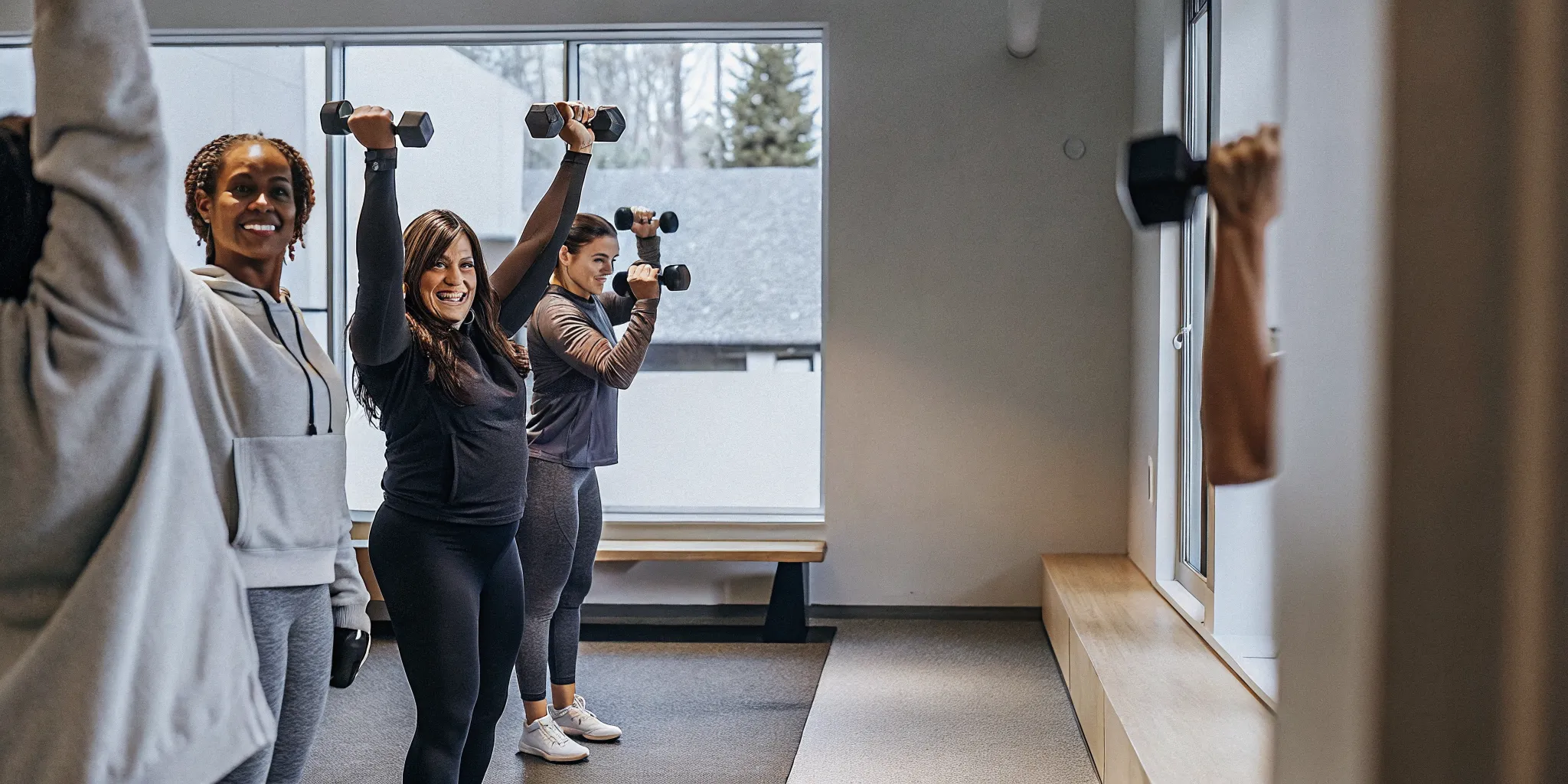
What can a beginner strength training week look like?
A beginner week can include two full-body strength sessions separated by at least one rest day. On other days, choose light activity, mobility work, or a class you enjoy so the plan remains balanced and realistic.
How often to train
Starting a new habit is best when it fits your life. Most people find that two or three days each week is a great start for strength training for women. You do not need to spend hours in the gym every day to see real results. A simple plan helps you keep going and gives your body time to change and grow. Working out too much at the start can lead to burnout or pain. It is better to start slow and stay steady over time.
At Altea, new members often start with a Road Map Session. This fitness check helps you set clear goals and get a plan made just for you. You can also book strength training classes that fit your busy schedule. These classes are a great way to learn from pros while meeting other people on the same path. Having a set time to go to the club helps you stay true to your goals and build a lasting habit.
Sample weekly plans
You can choose a plan based on how much time you have each week. A two-day plan is perfect for busy workers who want to stay fit. A three-day plan helps you gain speed and build muscle a bit faster. Both ways work well as long as you show up and do the work. The key is to pick the one that you can stick with for the long haul. Staying steady is the secret to getting the body and health you want.
| Feature | 2-Day Weekly Plan | 3-Day Weekly Plan |
|---|---|---|
| Workout Days | Tuesday, Friday | Monday, Wednesday, Friday |
| Session Type | Full Body | Full Body or Split |
| Rest Days | 5 days total | 4 days total |
| Class Options | 1 class, 1 solo gym visit | 2 classes, 1 solo gym visit |
| Best For | Busy workers | Faster habit building |
Focus on full-body and rest
For beginners, full-body sessions are often the best choice for a new routine. This means you work every major muscle group during each visit to the gym. It helps you learn the core moves in a short time. It also means that if you miss a day, you still worked your whole body earlier in the week. You do not have to worry about missing one body part when you do it all at once. This way of training is good for people with tight schedules.
Pros say doing one set of 12 to 15 reps is enough to start building muscle and strength. You should aim to work the muscle until the last few reps feel hard to do. This helps you gain power without needing to spend all day in the club. As you get stronger, you can add more weight or more reps to your moves. This slow change keeps your body growing and helps you see real progress each month.
Your body needs time to grow stronger after a hard workout. It is vital to rest one full day between working the same muscle groups. On rest days, you can still stay active with light walks or yoga. This helps your blood flow and keeps you moving without overworking your joints. You can also mix in cardio to keep your heart healthy. A short walk before you start can warm up your body and lower your risk of hurt. Mixing hard work with rest is the best way to stay fit for life.
How does progressive overload help you get stronger?
Progressive overload helps you get stronger by increasing a workout challenge in small, manageable steps. You might add one repetition, use slightly more resistance, improve range of motion, or complete the same work with better control.
Progressive overload is the secret to seeing real results. It means you slowly add more stress to your body as you get fitter. If you keep doing the same thing, your body will stop changing. You must give your muscles a reason to grow. This is why strength training for women works best with a plan. Small changes over time help you reach your goals without feeling burnt out.
What is progressive overload?
Progressive overload is the act of making your workouts harder as you get stronger. When you first start, a weight might feel heavy. After a few weeks, that same weight will feel light. This happens because your body adapts to the work you do. If you want to keep seeing the gains of strength training, you must raise the challenge.
Experts say that strength training progressively challenges muscles to ensure growth. You should work a muscle until the last move is tough to finish. This signal tells your body to build more muscle and bone. It is a safe and smart way to get better at your own pace. Most people can build muscle with just one set of 12 to 15 reps if the weight is right.
Ways to challenge your muscles
You do not always have to add more weight to get a better workout. There are many ways to make a move harder. You can add more reps to a set or do more sets in a session. Another way is to slow down your moves to gain more control. You can also try to move through a larger range of motion. These small steps help you stay safe while you get fit.
It is also key to know when to rest. You should wait one full day before you work the same muscle group again. This gives your body time to heal and grow. If a move ever causes sharp pain, you should stop right away. Chasing a bit of muscle soreness is fine, but pain is a sign to slow down. Keeping your form tight is more vital than lifting the heaviest weight in the room.
How to track your progress
Tracking your sessions is the best way to see how far you have come. It helps you know when it is time to add a bit more weight or a few more reps. At Altea, members can use the MyAltea app to check their past logs. This tool makes it easy to see your growth over weeks and months. Knowing your past wins can keep you keen for your next session.
If you are not sure where to start, you can get help from a pro. New members at Altea get a free Road Map Session with a coach. This meeting helps you set clear goals and find the best plan for your life. Having a guide makes strength training for women feel less like a chore and more like a win. When you track your work and plan your moves, you are on the fast track to a stronger you.
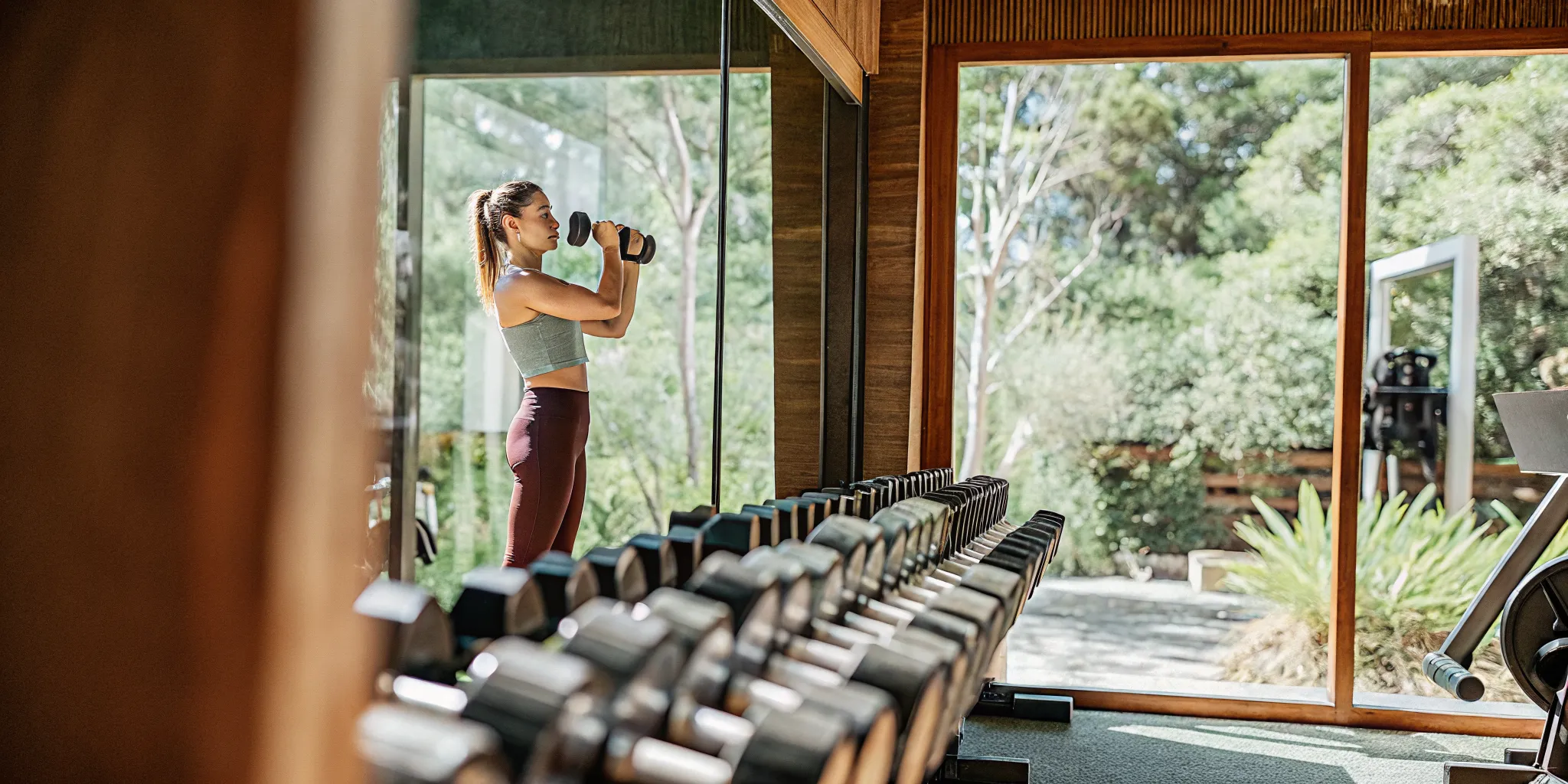
Build a strength routine that fits your everyday life
A sustainable strength routine fits your schedule, goals, and current ability. Personalized planning, supportive coaching, enjoyable classes, and intentional recovery can make it easier to stay consistent without turning fitness into another source of pressure.
Creating a habit you keep is the hard part of any new fitness path. Many women find it tough to stick with a plan because they try to do too much at once. At Altea, we focus on making benefits of strength training feel easy to reach. By using our full wellness system, you can build a strong body without the stress of a plain gym.
Personal plans and coaching
You do not have to guess how to start. Every new member gets a free session to map out goals and get a clear plan, including personal training at Altea Winnipeg for members in that region. This road map helps you find the right path for strength training for women based on your own needs. Having a clear guide makes it much easier to show up and stay on track over time.
Our coaches give you the push you need to keep going. They help with your form and keep you safe as you build muscle. Working with an expert means you get the best results in less time. This high level of care helps you stay true to your goals and feel good about your growth.
The power of boutique classes
If you find it hard to train alone, strength training classes offer a great way to stay active. Our clubs host hundreds of classes each week that fit into a busy day. These group sessions build a sense of community that keeps you coming back. You get to work with others who share your goals while learning from top teachers.
These classes focus on moves that help you in real life. You will work on your posture and build the power you need for daily tasks. Research shows that women who stay active have a lower risk of early death than those who do not. Using classes to keep your routine fresh is a smart way to hit these health goals.
Recovery and community support
True strength is not just about the work you do in the studio. It is also about how you rest and heal between your visits. You should rest one full day after working a muscle group to let your body fix itself. Our clubs offer premium wellness and recovery amenities that make this part of your routine feel like a treat.
Our club is more than a place to sweat; it is a space to connect. Having a group that helps you makes a big difference in your long-term success. You can grab a drink at our lounge or work from our zones after your lift. This mix of work, play, and fitness turns your routine into a part of your life you truly love.
Frequently Asked Questions
What are the benefits of strength training for women?
Regular lifting builds muscle and keeps your bones strong. According to the Mayo Clinic, it helps protect bone health and may lower the risk of bone loss. Women who exercise also have a 24% lower risk of early death. It also helps you manage your weight by burning more calories. These habits support long term health and physical freedom as you age.
How often should women do strength training?
Most people see great results by training two or three times per week. You should rest for one full day between working the same muscle groups to help them recover. Research shows that doing one set of 12 to 15 reps with the right weight is enough to build muscle. Consistent work is the key to seeing progress over time. You can find many strength classes to join with an Altea Gold Membership.
Is strength training for women over 50 safe?
Lifting weights is safe and highly helpful for women over 50. It helps keep your bones dense and protects your joints from injury. This allows you to stay independent as you get older. Regular activity also supports brain health and keeps your mind sharp. Starting with light weights and focus on good form will help you stay safe. It is a great way to improve your quality of life.
What are the best strength training exercises for beginners?
Beginners should focus on basic moves like squats, lunges, and rows. These moves use many muscle groups at once and mimic daily tasks. Using your own body weight or light dumbbells is a smart way to start. Altea offers a free Road Map Session to help new members set goals and learn the right form. This guide ensures you start your journey with a clear and safe plan.
Ready to start your strength training journey?
Many women wait for the perfect time to start lifting, but that day rarely comes on its own. Putting off your start means you miss out on building bone strength and muscle mass that keeps you healthy. If you stay on the sidelines, you might struggle with feeling tired or poor posture for much longer. Starting today puts you on the fast track to feeling more strong and sure in your daily life. You do not need to figure it all out by yourself. A clear plan and expert help will save you months of trial and error. Taking that first step now ensures you get the results you want without the stress of guessing.
Ready to build strength? Book a consultation to explore personalized training.