
A deep squat requires more than just long muscles to reach the bottom safely. While flexibility is great, it does not mean your body can really support its own weight in that spot. You need active strength to keep your joints healthy for the long term.
Mobility training benefits focus on the active strength you need to move your joints through a full range of motion with total control. This is not the same as just being flexible because true mobility work combines length with the power to support your body in deep spots. Recent research shows that mobility training improves athletic performance and joint health while lowering the risk of injury during sports. By choosing this active path to wellness, you build a body that is ready for a busy life while keeping your joints safe and strong. This approach protects your hips, spine, and shoulders so you can stay active and reach your long-term fitness goals without pain or stiffness.
You might wonder why your current stretching routine is not giving you the results you want to see. Knowing the gap between passive reach and active control is the first step toward better health. To find the right path, we look at What is Mobility Training? (And Why Flexibility is Not Enough) as the journey starts.
What is Mobility Training? (And Why Flexibility is Not Enough)
Mobility training benefits focus on developing active joint control, allowing you to move through a full range of motion with strength and stability rather than relying on passive muscle length alone.
Many people think being flexible is the same as being mobile. While they are linked, they serve other roles in how your body moves. Flexibility is how much a muscle can stretch in a passive way. Mobility is the active skill of a joint to move through its full range of motion with control.
Active control vs. passive stretch
The big gap between the two is control. If a coach pushes your leg into a stretch, that shows your flexibility. If you can lift and hold your leg in that same spot using your own strength, that is mobility. It is the mix of both muscle length and joint strength.
| Feature. | Flexibility. | Mobility. |
|---|---|---|
| Nature of Movement. | Passive (requires external force or gravity to stretch). | Active (requires muscle strength and joint control). |
| Focus Area. | Muscle length and connective tissue elongation. | Joint range of motion and neuromuscular coordination. |
| Primary Benefit. | Temporary muscle relaxation and increased stretch tolerance. | Long-term joint health, injury prevention, and better movement. |
| Example. | Holding a static hamstring stretch on the floor. | Performing a controlled, full-range bodyweight squat. |
True mobility training builds this active strength. It ensures your joints can handle the stress of movement without clicking or pain. Without this control, your body may use other muscles to make up for the lack of joint firmness. This often leads to wear and tear over time. When you lack control, your risk of injury goes up during simple tasks.
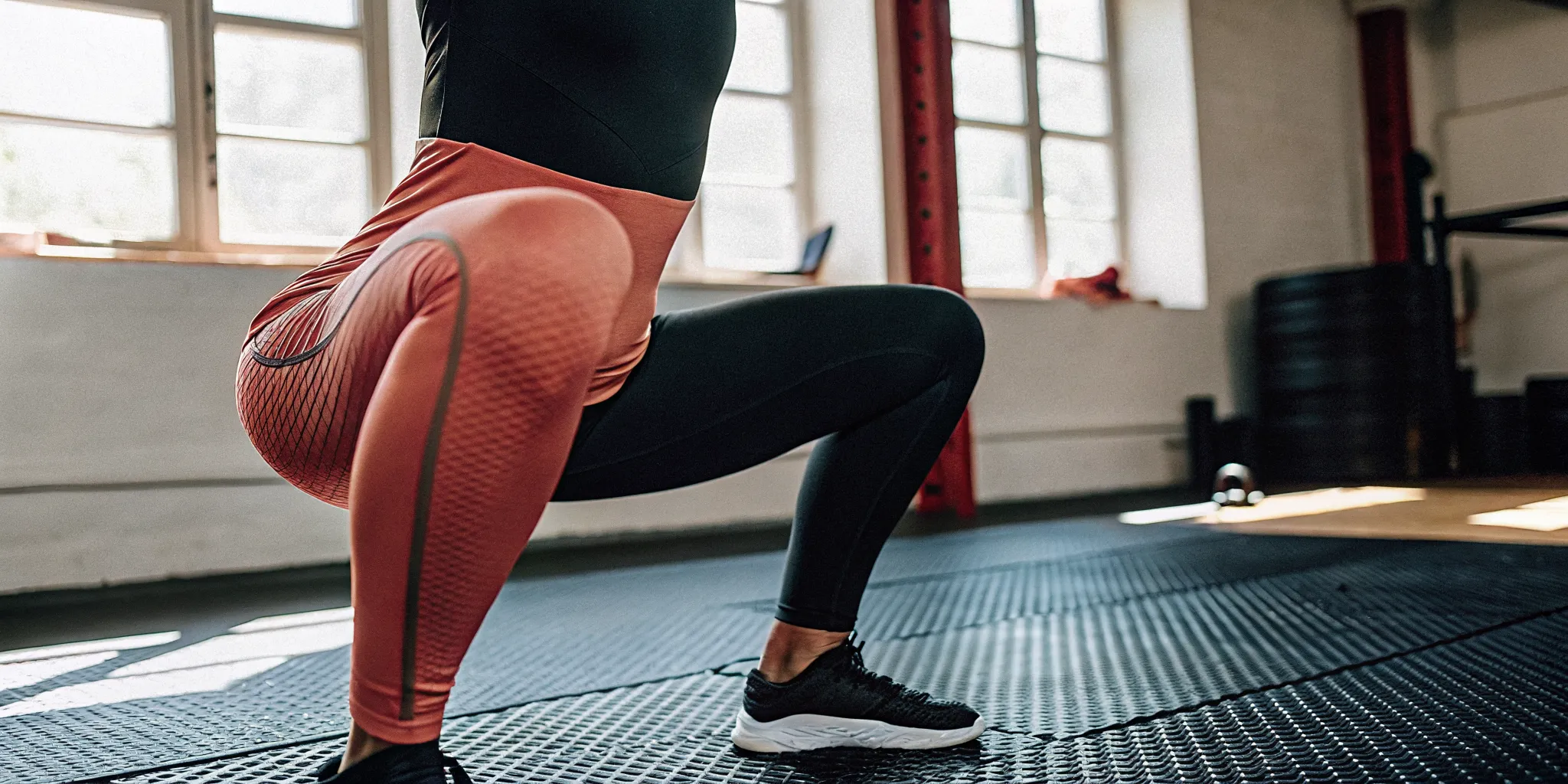
Why your joints need strength
Mobility training benefits more than just your gym life. It changes how you move through your day. Research shows that workout plans focused on mobility can lead to better functional movement patterns in people of all ages. This means you can reach, bend, and lift with less risk of getting hurt.
When you train for mobility, you teach your brain how to use the space your muscles allow. This active control is what keeps your joints safe during fast or heavy tasks. It is helpful to learn how functional strength and mobility training help each other. It is not enough to be loose; you must be strong in every part of your movement. This strength helps you keep your peak form as you age.
Moving with intent and ease
Good mobility work looks at the body as a whole. It links your breathing, core strength, and joint health together. By training with intent, you build a body that can move with ease and power. You start to feel more fluid in your stride and more stable in your stance.
This is a key part of our LF3 personal training programs at Altea. This program focuses on longevity and form to help you move better for life. We help you bridge the gap between being loose and being strong. Our club gives you the tools you need to build a body that works as well as it looks. By focusing on active joint work, you can improve how you move each day.
Key Mobility Training Benefits for Strength and Performance
Key mobility training benefits for athletic performance include increased power output, deeper and safer squat form, and enhanced agility by ensuring your joints can actively support your body weight during heavy lifts and dynamic movements.
Strength is more than how much weight you can lift. It is also about how well you move. Many people think they just need big muscles to get strong. But true power comes from how your joints and muscles work as one. When you see how functional strength and mobility training complement each other, you build a body that can handle stress and move with ease.
Move with more power
Mobility training benefits your power by letting you use your full range of motion. If your hips or ankles are stiff, you cannot move as fast or as hard. Research shows that mobility training methods can improve key sports performance variables in athletes. This means you can jump high, run fast, and hit hard when your joints move well. It helps you reach your peak in every sport or workout.
Good movement also helps you stay safe. When you can move through a full range, you put less strain on your joints. This lowers your risk of getting hurt during a tough task. You can push your limits without fear. By training your joints to be active and strong, you set yourself up for long term wins in the club.
Get deep squats and better form
Form is the key to lifting heavy weights. If your form is bad, you will stop seeing gains. Deep squats and overhead lifts need a lot of joint range. Studies show that exercise based interventions improve functional movement patterns like the deep squat. This means you can get low and stay steady when you lift. Better form leads to better results over time.
A mobile body also stays steady. Balance is not just for yoga. It is vital for every lift and move you make. When your joints are active and controlled, you can hold your weight with a firm grip. This helps you lift more weight with less risk of a fall. You will feel more sure of yourself on the floor.
Boost your speed and skill
Athletes need to be quick and smooth. Stiff joints slow you down. They make your moves less fluid. When you work on your mobility, you help your body move like a well oiled machine. You can change paths fast and keep your speed up. This gives you a big edge in any game or race you join.
You will also see your skill grow. When your body moves well, you can learn new moves fast. You can master tough lifts or new sports with less stress. This is because your brain and muscles work better as one. You can focus on your goals and reach them soon. It is a great way to elevate your everyday at the club.
How Mobility Training Benefits Injury Prevention and Supports Longevity
Active joint mobility prevents injuries by building strength at the outer limits of your movement, protecting your hips, knees, and shoulders from sudden strains while supporting long-term joint longevity as you age.
Active mobility helps your joints move through a full range of motion with total control. When you have this control, you reduce the risk of common strains and sprains. Pair mobility work with Altea’s recovery and wellness amenities for comprehensive joint care. One of the main mobility training benefits is that it teaches your body how to handle load in safe ways. This keeps your joints healthy even as you age.
Reducing the risk of injury
Injury often happens when a joint is pushed into a spot where it has no strength. Active mobility training builds that strength so your joints stay steady. This prevents overuse issues that come from poor movement patterns. Training also offers these key perks:
- It fixes muscle gaps that cause one side to work harder.
- It keeps your joints from getting stuck in tight spots.
- It helps your body handle new moves without pain.
By fixing these patterns, you stop small aches from turning into big problems. Poor mobility is a common issue for many people today. Facts from the CDC show that about 12% of adults have mobility issues that make it hard to walk or climb stairs. Building active control now helps you avoid these limits later.
Supporting long-term health
Keeping your joints mobile is key to a long and active life. As we get older, we tend to lose the ability to move well. Research from Harvard Health shows that mobility loss affects up to half of people 65 and older. Daily training can help slow down this loss and keep you moving with ease.
At Altea Active, we focus on this through our LF3 training. This program looks at longevity and form to help you stay fit for years to come. By training your joints to stay active, you protect your body from the wear and tear of daily life. This is a big part of how you can improve your daily health.
Improving daily movement patterns
Active joint control makes every task easier, from picking up a bag to running a race. It helps you find the essential role of mobility training in functional movement. When your joints move well, your body uses less energy to do simple things. This leaves you with more power for the things you love.
Better movement also means fewer muscle imbalances. Most people have one side that is tighter or weaker than the other. Mobility work finds these gaps and helps you fix them. This balance is vital for both high-level sports and playing with your kids at the park.
Experience the difference of personalized fitness—book your Altea Active tour today!
Which Joints Benefit the Most from Mobility Training?
Modern life often means spending hours in the same spot. Whether you are at a desk or in a car, your body stays still for too long. This lack of movement leads to tight joints and a loss of control over how you move. To get the most mobility training benefits, you should focus on the parts of your body that get stuck first. These key areas are the hips, the shoulders, and the middle part of your back.
The Impact of Tight Hips
Your hips are the core of almost every move you make. When you sit all day, the muscles in the front of your hips stay short. Over time, this makes the joint feel stiff and limits your power. Tight hips often cause pain in the lower back because the back tries to move when the hips cannot. Working on hip mobility helps you walk, run, and squat with more ease and less risk of hurt.
Keeping your hips loose is vital as you get older. Reports from Harvard Health show that loss of mobility affects up to half of all people over age 65. By training your joints now, you build the active strength needed to stay mobile for life. You can also see how Pilates enhances your mobility training results by using the Reformer to open up the hip space. Reformer Pilates is especially effective for this kind of deep hip work.
Common Signs of Joint Stiffness
- You feel a pinch in your hip when you squat or sit low.
- Your shoulders feel tight or click when you reach over your head.
- Your lower back hurts after you stand for a short time.
- You find it hard to turn your head or upper body to look behind you.
Shoulder Range and Active Control
Your shoulders have the most range of motion of any joint. But they are also easy to hurt if they do not move well. Slumping over a screen makes the shoulders roll forward and get weak. This poor form makes it hard to lift weights or even reach for a high shelf. Mobility work builds the control you need to keep your shoulders in a safe place during any task.
The Thoracic Spine and Fluid Movement
The middle part of your back is the thoracic spine. It is meant to twist and bend so your body can stay fluid. When this part of the back gets stiff, it stops the rest of your body from moving right. A stiff spine often leads to neck strain and poor lung space. At a premium fitness and wellness club, we use targeted moves to help you find more range. This helps you stand tall and move with grace in your daily life.
A Safe Beginner Mobility Routine to Try Today
Adding a daily mobility routine is a great way to keep your joints in top shape. Recent studies show that planned workout plans improve movement by fixing stiff spots. These simple moves help your body feel loose. They make you work well during your normal day. You do not need any fancy tools to get started with these drills.
Building a Strong Base
To begin, find a flat spot on the floor where you can stretch out fully. Wear loose clothes that do not block your range of motion. Focus on slow and steady paths for each move. It is better to move with control than to try and go too fast. This helps you learn how each joint feels as it works through a full range of motion.
Using these drills often can help prevent common aches and pains. If you sit at a desk all day, your hips and back may feel stiff. These moves act like a reset button for your body. They give your joints the space they need to stay healthy as you get older. You can do them in the morning or right before a full workout.
- Shoulder Flossing: Use a long strap or a towel and hold it with a wide grip in front of your legs. Slowly raise your arms over your head and lower them behind your back while keeping your elbows locked. This drill helps open your chest and makes your shoulders move better for lifting tasks.
- Cat-Cow Flow: Get on your hands and knees with your back flat like a table. Arch your spine up toward the roof while tucking your chin to your chest. Then, let your belly sink down as you look forward and lift your tailbone. This move keeps your spine moving well and helps ease back pain.
- Hip Circles: Stand tall and hold a chair or wall for extra balance if you need it. Lift one knee up to hip level and move it in a large circle as if you are stepping over a fence. Switch legs after a few turns to help your hip joints move more freely and stay strong.
- Walking Lunges: Take a long step forward and drop your back knee close to the ground. Keep your front knee over your ankle and push back up to a standing pose. This step is great for incorporating mobility work into your group functional training because it uses many muscles at once.
Next Steps for Your Joints
Try to do each of these moves ten times to get the most out of them. It should only take about five to ten minutes of your time. Most people feel a change in their body right away after they finish. You will notice that walking and reaching for things feels easier and more smooth than before.
Daily work is the secret to seeing big changes in your health. If you stick with this routine, you will find that your form in the gym also gets better. Many experts agree that better movement is the key to staying active for a long time. Start today with these simple steps to build a body that moves with ease and power.
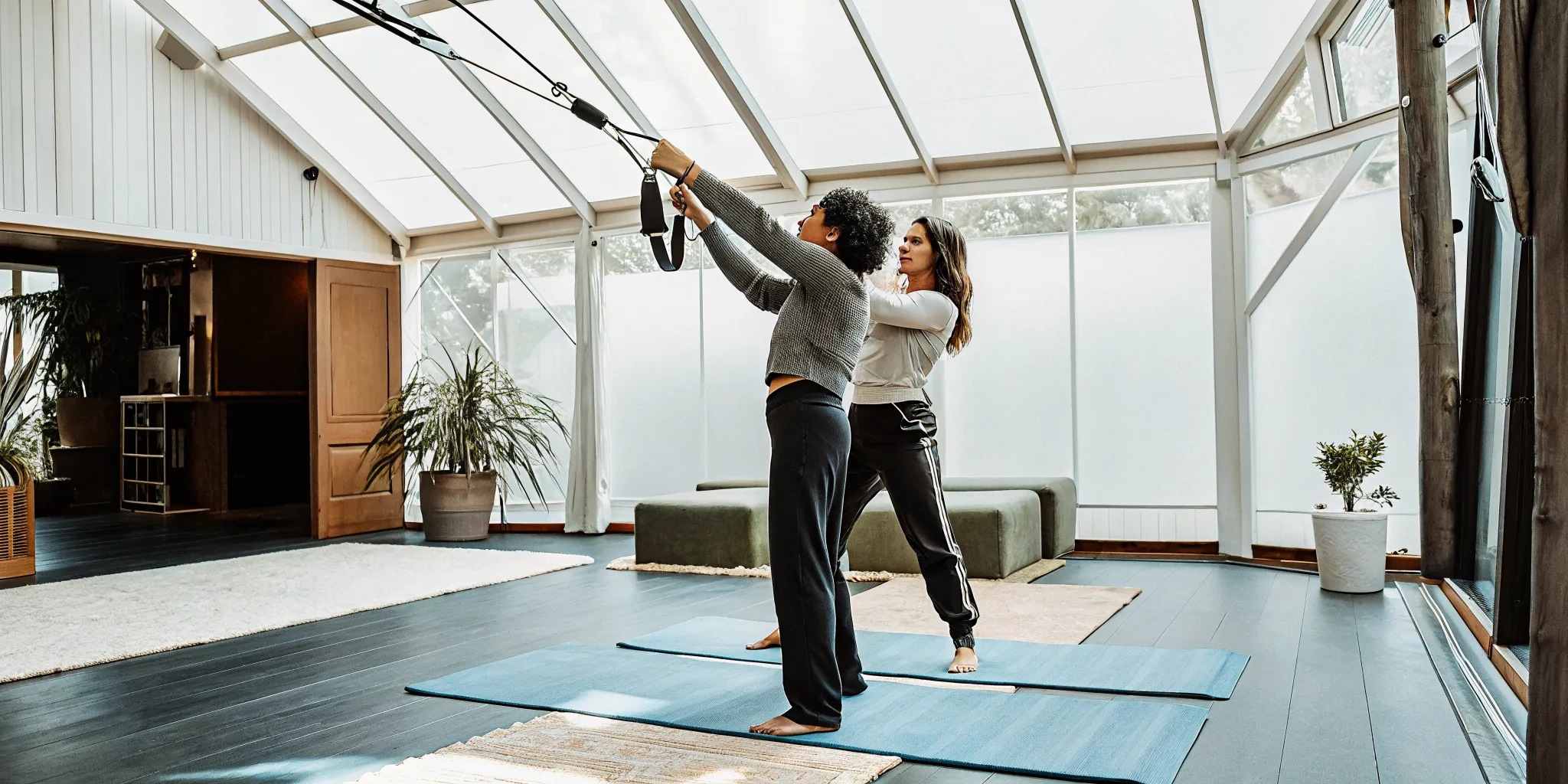
How to Maximize Mobility Training Benefits at Altea
Altea Active is more than just a place to lift weights. It is a full club built to support your life. We help you move better with many expert tools.
One big focus is the mobility training benefits you get here. We add these moves into your daily plan. This helps you stay strong and safe as you age.
Mobility is all about control. It is the way your joints move through a full range of motion. Unlike just stretching, it needs active power.
Studies show that workout moves help people move better in daily tasks. At Altea, we make it easy for you to start and see results.
Classes for range of motion
Our club offers many group sessions that focus on joint health. You can try Reformer Pilates to build core strength and control. This machine helps you move in a safe and smooth way.
This is a great way to see how Pilates enhances your mobility training results. Our experts lead the way in every class. You do not have to plan these on your own.
You can start by finding group classes that emphasize mobility training or exploring our Pilates and yoga classes. These sessions fit your goals and keep you moving with ease. Yoga is also a top choice to find a better reach and balance.
Functional strength and LF3
We also offer LF3 training. This stands for Longevity, Functional, Fitness, and Form. It is a smart way to build a body that lasts.
The work is on moves you use in real life. This helps you gain a better deep squat and clear hurdle steps. It makes daily life feel lighter and less tiring.
LF3 makes sure you use the right form in every move. This keeps your joints healthy for a long time. It links strength with how you move and live.
This plan helps you reach a high level of health. It builds a base for all your other gym work and sports.
Recovery for joint health
Good movement needs good rest. Our club has top ways to help you heal after a workout. You can use our saunas to warm up your muscles and joints.
This heat helps blood flow and makes movement feel better. It is a great way to end a day of hard work. Cold plunges are also a top choice for recovery.
They help cut down on pain in your legs and back. These tools help you stay on track with your long-term goals. Mixing rest with work is the best way to keep moving well.
Frequently Asked Questions
What is the difference between mobility and flexibility?
Flexibility is how far your muscles stretch with outside help. Mobility is the active power to move a joint through its full range with control. You need strength to have good mobility. It is not just about being loose. It is about how well you move under your own power. According to experts, mobility is a key part of joint health. It helps you stay active as you age.
Does mobility training help with injury prevention?
Yes, mobility training helps prevent injuries. It makes joints more stable and improves how the body moves. This type of work helps find and fix weak spots. It also helps with uneven movement patterns. This makes daily tasks and workouts safer for your joints. Data from the NIH shows that exercise can improve movement and lower the risk of getting hurt. Regular practice keeps your body ready for many types of activity.
How often should you do mobility training?
You can do mobility work every day. Short sessions of five to ten minutes are enough to see real results. Many people use these moves as a warm-up before a workout. They are also great for a cool-down. The key is to be steady with your practice. Doing these drills often helps keep your joints healthy. It also makes it easier to do daily tasks without pain or stiffness. This habit helps you move better for life.
Can mobility training improve athletic performance?
Mobility work can lead to better sports results. It helps you move more easily. This can improve your speed, power, and balance. By giving you better control over your joints, you can perform complex moves with more skill. A study on PubMed found that mobility training is likely to improve key parts of sports performance. It allows athletes to use their full range of motion to create more force while keeping their joints safe from harm.
Ready to improve how you move each and every day?
Stiff joints lead to constant aches and a high risk of injury that only gets worse the longer you wait to take action for your health. Each day you delay is a lost chance to build the active strength you need to protect your joints for a long and healthy life starting now. Starting today ensures you keep your freedom to move well and stay strong as you age instead of letting chronic stiffness limit your daily habits.
Ready to move better? Book a premium club tour to talk to an expert today and find out how the team at our fitness and wellness club can help you reach all your health and fitness goals.